The Trouble with Netflix Shows
At the start of it all it was considered a mark of prestige to have an original TV series on Netflix. Shows like Orange is the New Black, House of Cards, Stranger Things, Santa Clarita Diet, Daredevil and other were hits with fans and critics alike. The powers that be at the streaming pioneer had an eye for good ideas and allowed the creators a high level of freedom in bringing their vision to life. Naturally not everything was a winner but it would bonkers if everything were. Little did we know at the time that Netflix would peak with their original TV productions so early on. With the changing of the corporate guard came a change of in approach to their shows which has been to the detriment. Where they once mined for gold among the pitches they received now they seem to greenlight every single thing that comes across their desk for an entire season. The result is about 2,481,027 Netflix original shows on service. Of course that is an exaggeration but you understand what I mean there is no way to keep track of all the shows the studio produces on their own. Spanning every genre from historical drama to science fiction to teen soaps they simply seem to be throwing everything including the kitchen sink at the wall of “metrics” to see what sticks after 6-13 episodes. While one can see the strategy behind this, so far it has only seemed to backfire as “greenlight everything” will inevitably lead to “cancel everything” at a rate that far surpasses the patience most are willing to extend.
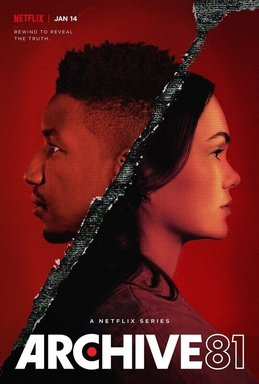
Stop me if you have heard this story before, about a year ago I randomly came across a new show on Netflix, Archive 81. It was a solid conspiracy laden horror series and star Mamoudou Athie definitely has the chops to carry a show and I hope his career takes off like a rocket. With each episode I was sucked in further and further until the first season ends on a gripping cliffhanger making me go “oooooh I wonder what happens next”. It would seem I will never find out what happens next; the main character is stranded back in time, the powers of the cult are still around, there is still a mysterious force at work etc. After a single season the show was cancelled by Netflix. Mind you I stumbled across Archive 81 because it was ranked highly on Netflix’s own Most Watched list, which is no easy feat considering how much is streams on the service so obviously it was drawing in viewers. But for whatever reason it did not tick the boxes of the company’s secretive “metric” system put in place by executive Ted Sarandos. Under this needlessly complicated system the popularity of a show is not taken at face value, but rather broken into a number of factors. It takes into account things like the cost of the show, how many episodes people watch at a time, do they watch the intro, etc. This means shows like their blockbuster adaptation of The Sandman barely received the go-ahead for a second season despite being the most watch series on the streaming service upon its release.
I am sure most of you reading this have had your own Archive 81, or a couple of Archive 81‘s. A show you stumble across on the New Releases list or some other category and say to yourself “I’ll give it a shot” or “I’ve heard Joey McJojo at work say this one was good”. You turn it on, watch the first season……and then that is it leaving you with an empty feeling of “that’s it?” because it has become a casualty to Netflix’s constant barrage of ending shows. This has been the case for years, but now it seems that fans are being vocal about reaching their breaking point with it. What is even the point of delving into a new show when all that is going to happen is that it will end with an unsatisfying conclusion. If you are not apprehensive, or even skeptical about turning on episode 1 of a new show it is completely understandable. Hell, I was in the middle of watching the first episode of Cowboy Bebop when I stumbled across the news that it had been cancelled. Do you think I bothered wasting my time on starting the next episode? No, I instead groaned and found something else to watch.
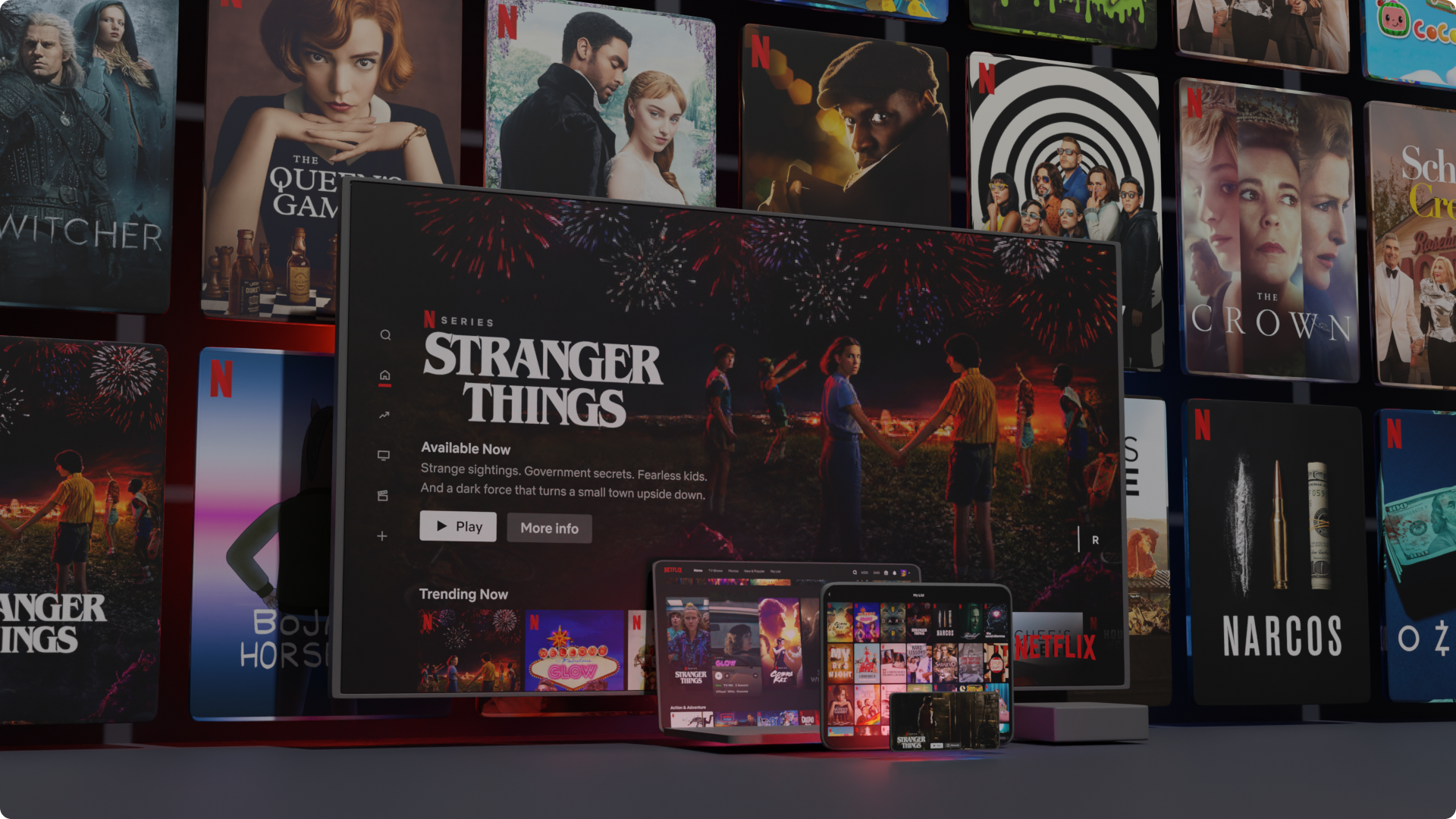
Netflix does not seem to understand that, now not only do they have tons of competition, but that streaming services as a whole seem to be dealing with a market reckoning. Even a multibillion dollar mega media empire like Disney seems to be struggling in this endeavor. In this high stakes and competitive world, if you are known as the streamer that makes people say “don’t bother watching any shows on that one, it’ll just get cancelled” it is going to cost you.
Not helping Netflix is the very nature of their shows, especially genre shows, they are serialized in their storytelling format. The course of an entire season may simply be chapter one of a larger narrative the showrunners hope to tell. Their biggest hit Stranger Things has found boundless success with this formula that has been applied to countless other shows both on Netflix and beyond. The issue is SO man of the shows cancelled on Netflix take this approach and when it works it is a fun way to get viewers hooked, but when it does not it only serves to be a detriment. When you know the show you enjoyed a while back on the streaming service only ends on an unresolved cliffhanger are you really going to waste your time rewatching it? The answer is likely “no” because it will just angry up the blood as you feel that disappointment all over again. So any hope of one of these programs finding a second life down the road is pretty much dead. This leaves them doomed to be incomplete stories lingering on a server until the powers-that-be decides to wipe them from existence.
Over the decades long history of the television arts countless shows have come to an end whether by their own hand or cancellation from higher-ups but on many occasions they find new life down the road. Most famously is Star Trek, while only lasting three seasons in its initial run, it was eventually rediscovered and became a pop culture juggernaut. But it is far from the only one, often during the course of its run it takes can take a while to catch fire. When it debuted, Parks and Recreation was written off as a mere Office knock-off But patience from the powers-that-be eventually led to the sitcom finding an audience and becoming a hit. Even The Office which ended as a mere shell of itself found renewed popularity following its conclusion because fans were still able to watch the episodes which they enjoy. It is safe to assume Archive 81, The Midnight Club, 1899, Dead End Paranormal Park, Warrior Nun, First Kill and countless others will never get this same chance. If some potential new user should happen to find them in the wilderness of Netflix Originals they would discover that it only lasts a single season and ends on a cliffhanger and give up on it.
For the past year and a half, the once powerful Netflix has seen their own struggles along with all of their streaming competitors. One can not help but feel that their bizarre business plan concerning their original series’ is a big part of their recent woes. But this is a problem that can be fixed, rather than giving the go-ahead to 4,827,034 shows a per year limit it to 8-12 a year that they truly believe in. In addition to this layoff of the serialized series. I do not mean get rid of them altogether but perhaps allow one or two shows to use this narrative format and more importantly allow a satisfying conclusion so that people do not feel they wasted hours of their lives by watching it. To be honest, I have a soft spot for Netflix back in the day they hade a wide array of films which allowed me to be exposed to a number of great movies I never would have seen otherwise. Because of them I was first introduced to masterpieces like: Harvey, Fright Night, The Intruder and so many more. I know they can not return to their glory days as all of the major studios have taken their ball in the form of shows and movies, and taken them to their own home. Hopefully, though Netflix can still carve out their own niche and give fans an alternative in entertainment to the dominating powers that usually dominate the cultural landscape.


