Movie Review: ‘John Candy: I Like Me’
Plot: This newest documentary, courtesy of Amazon MGM films and director Colin Hanks, chronicles the life and times of comedian and actor John Candy. From his humble beginnings growing up in Toronto, Canada, to his early breakthrough on SCTV, to his successful movie career and frequent collaborations with John Hughes, I Like Me endeavors to show the man behind the comedian. A true titan of the industry, Candy nevertheless struggled with anxiety, weight issues and self-esteem that ultimately led to his untimely death at the age of 43.
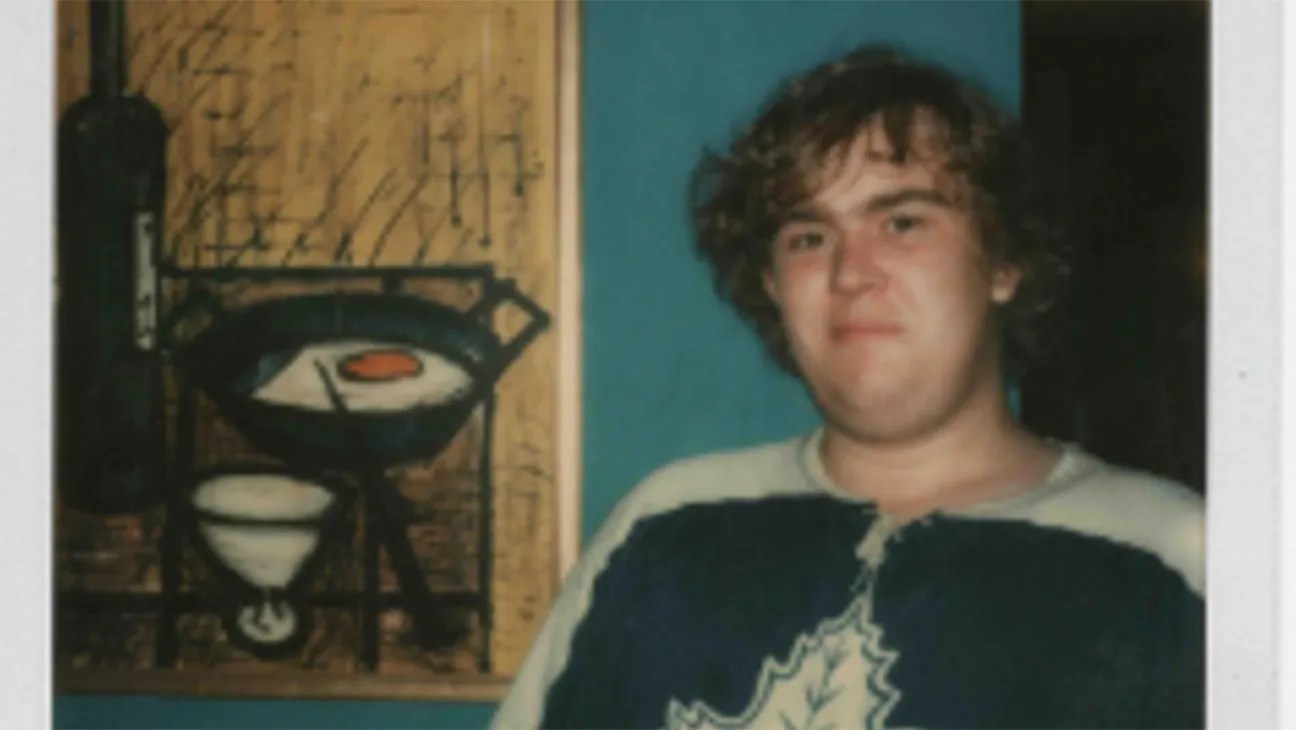
Review: One of the inevitable consequences of aging is watching your heroes, whether they be in sports, film, music, or politics, pass away. As my great friend Mike is wont to say, “Father Time is undefeated.” Yet there’s this naive idea that we cling to, namely that all our heroes should die peacefully in bed at the age of 120. When that doesn’t happen, when people like Prince or Robin Williams or Phillip Seymour Hoffman are taken before their time, we feel indignation. How dare the forces of the Universe conspire to take a talent from us so early! It is a stark reminder of our own mortality.
However, it is especially impactful when you experience the loss of a hero as an adolescent or young teen. I often wonder what it must have been like for youth living in the 1960s and 70s to have to confront the loss of people like MLK, JFK, Jimmy Hendrix, Janis Joplin, and others.
The closest comparison to me occurred on March 4, 1994 when I was 15 years old. That’s the day John Candy passed away at the ridiculous age of 43. How could this supremely talented man, this gifted individual whose movies like Stripes, Splash, Uncle Buck, Planes, Trains, and Automobiles, and countless others simply be gone? It wasn’t supposed to be this way. We were supposed to enjoy John Candy movies for decades to come. Sadly it was not to be.

Hanks’ John Candy: I Like Me is a soulful, poignant, funny, and earnest look into one of the greatest comedians ever to grace the screen. Utilizing old Candy interviews, home movies, and interviews with contemporaries who had the privilege of working with Candy (everyone from Bill Murray to Macaulay Culkin), I Like Me paints the portrait of a good man in an industry that eats up people pleasers. Yet no matter how famous Candy became, he somehow managed to remain the decent, giving, and empathetic human we always knew he was. Some may consider I Like Me a hagiography but I disagree. When the worst thing people can come up to say about you is “occasionally he held grudges,” you know you’ve lived a good life. When they shut down the 405 freeway in Los Angeles for your funeral (a act that had only been done twice before), you know you’ve lived a remarkable one.
What I appreciated about I Like Me was discovering information about my hero that I never knew. The death of Candy’s father by heart attack at the age of 35 loomed large for the rest of his life. It was a major contributing factor to his lifelong struggles with anxiety. Compounding this was his typecasting as a jolly fat man and the continued pressure from Hollywood to maintain an unhealthy weight. Indeed many Candy interviews used his weight as a punchline and you could see in the man’s eyes how much it hurt him. I was particularly shocked and horrified by the revelation from Bill Murray that Candy adamantly did not want to do the famous mud wrestling scene in Stripes and was in fact abused by the women he wrestled with during the scene.
Yet despite the darker elements of his relationship with Hollywood, Candy loved entertaining and making people happy. It’s likely one of the reasons that he became a co-owner of the Toronto Argonauts and constantly picked up the checks at restaurants. Candy was also a devoted family man, making his wife Rosemary and children Chris and Jennifer a focal point of his life. Not an easy thing to do when you are a rich and famous actor/comedian.

Candy was also overly protective of his co-stars, particularly children. The portions of the movie involving Macaulay Culkin were especially heartbreaking. John really cared about Culkin’s well being at a time when not many people did, including Culkin’s own father. Culkin also rightly points out the importance of Candy and John Hughes’ relationship. It was a bond and a friendship that produced truly transcendent works like Uncle Buck and Planes, Trains, and Automobiles. (To this day I think Candy was robbed of an Oscar nomination for that last one.)
Above all though, I Like Me ultimately celebrates John Candy’s legacy, not just as an entertainer but as a human being. There was always a depth and earnestness to every role he took on. People gravitated towards Candy and his performances because they were earnest. He was able to tap into the breadth of the human condition. Candy’s authenticity and empathy always shone through. When I think about John Candy’s legacy I can’t help but think about Ralph Waldo Emerson’s quote about success:
“What is success? To laugh often and much; to win the respect of intelligent people and the affection of children; to earn the appreciation of honest critics and endure the betrayal of false friends; to appreciate the beauty; to find the best in others; to leave the world a bit better, whether by a healthy child, a garden patch or a redeemed social condition; to know even one life has breathed easier because you have lived. This is to have succeeded!”
That was John Candy.
My rating system:
1 God Awful Blind Yourself With Acid Bad
2 Straight Garbage
3 Bad
4 Sub Par
5 Average
6 Ok
7 Good
8 Great
9 Excellent
10 A Must See
Masterpiece
John Candy: I Like Me: 9/10


![Top 10 Creepy Cryptids [by Bea Harper]](https://i0.wp.com/houseofgeekery.com/wp-content/uploads/2016/10/cryptid.jpg?fit=1200%2C675&ssl=1&resize=40%2C40)


