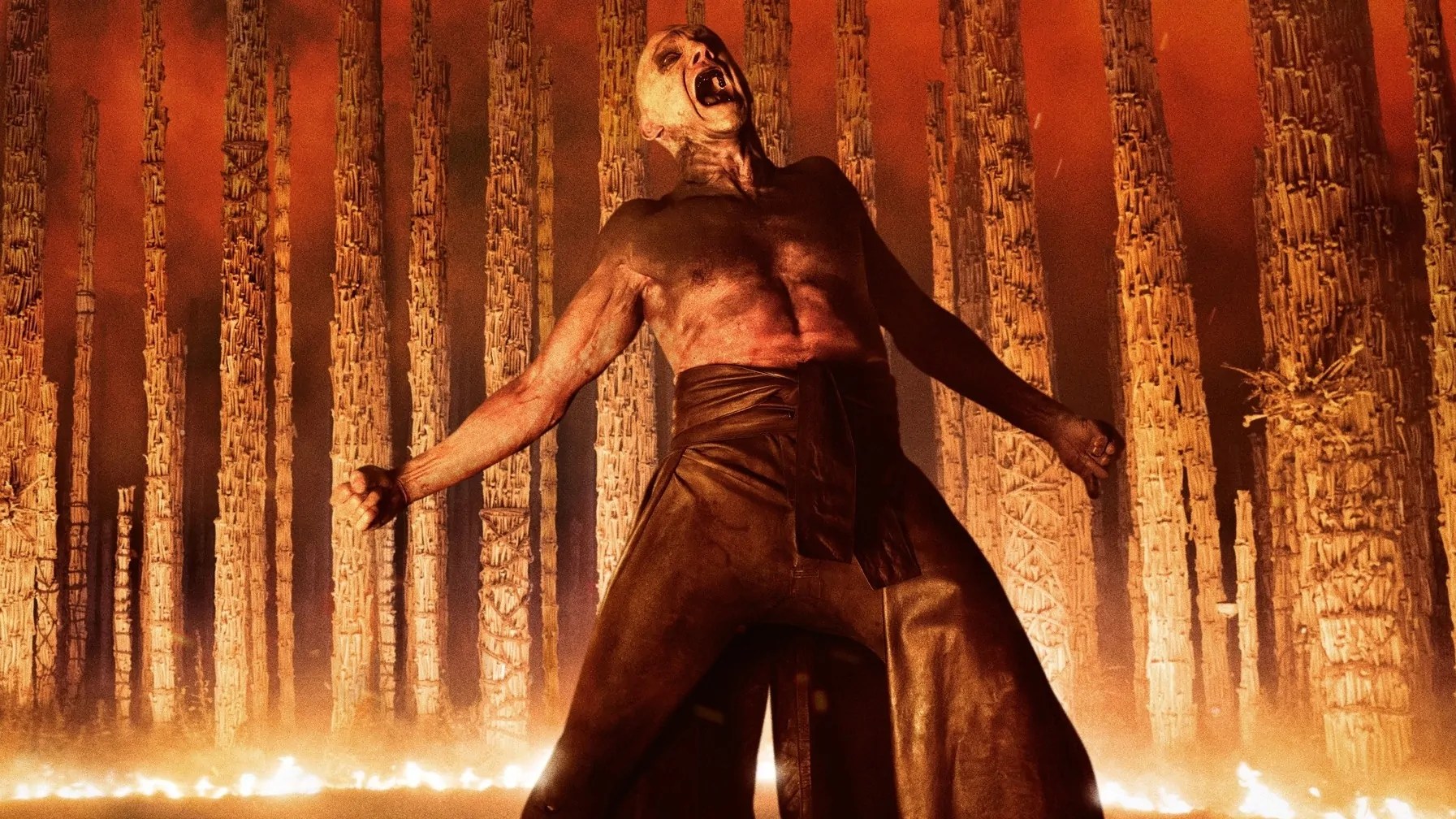
Movie Review: ’28 Years Later: The Bone Temple’
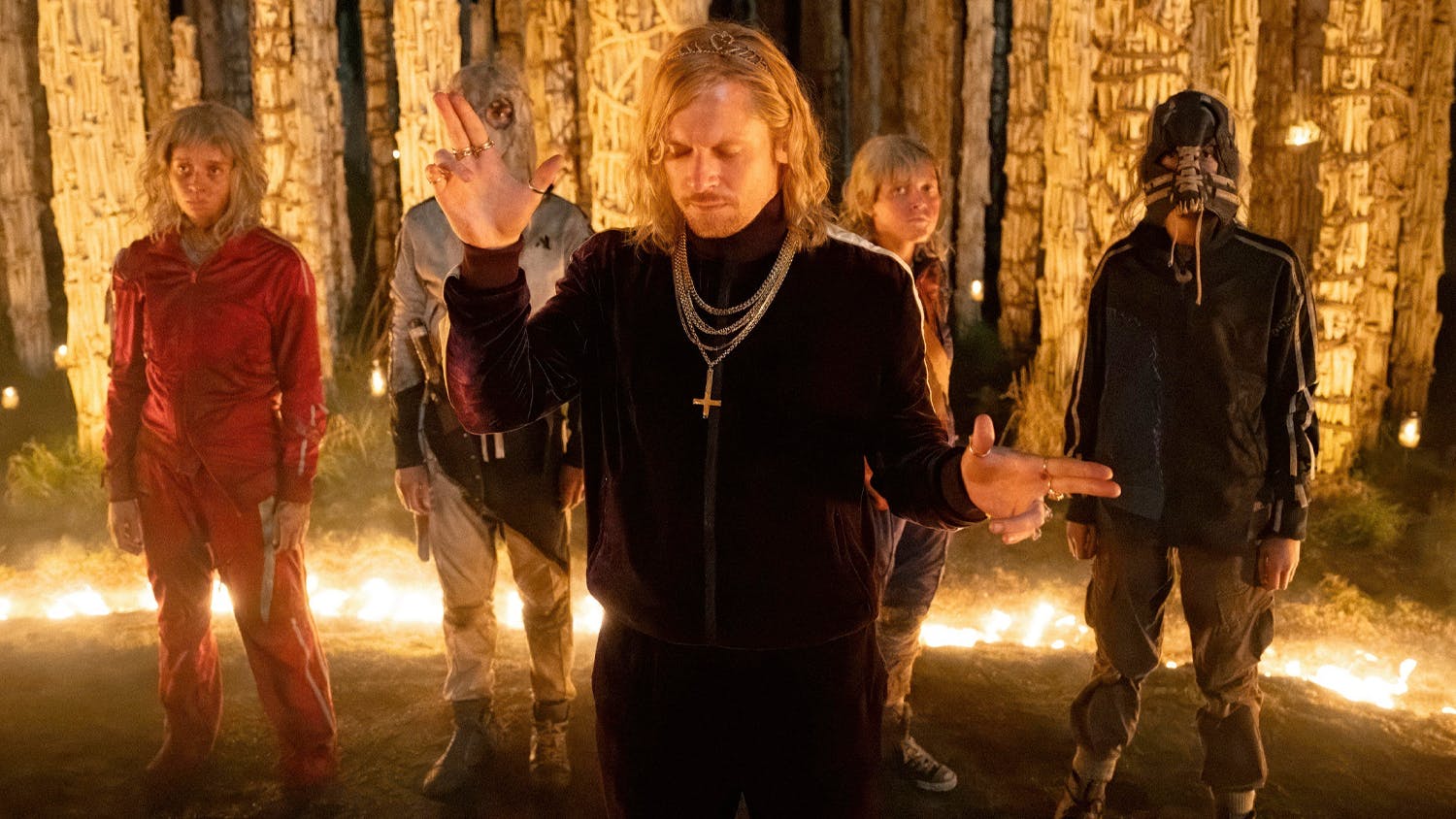
Plot: Picking up immediately after the events of the last film, 28 Years Later: The Bone Temple follows two parallel but inextricably intertwined stories. Saved by the sadistic and psychopathic Sir Jimmy Crystal (Jack O’Connell) and his gang of Fingers, Spike (Alfie Williams) is forced to join Jimmy’s murderous gang to survive. Hopeless and helpless, Alfie seeks for a way out from a group that is totally devoted to spreading the violent gospel of Old Nick (AKA Satan). Meanwhile, Dr. Kelson (Ralph Finnes) develops a unique relationship with the alpha infected known as Sampson (Chi Lewis-Parry) and makes a monumental discovery that could change everything. With Jimmy and Kelson on a collision course, the only question is who will be saved and who will be damned?
Review: There’s no question that director Danny Boyle’s 2003 film 28 Days Later reinvigorated and changed the landscape of zombie films forever. While the 2007 follow-up 28 Weeks Later wasn’t on par with Boyle’s masterpiece, I always thought someday he and Alex Garland would return to that world. Although it took almost two decades, last year we were blessed with the gift of 28 Years Later. Not only was it an impeccably shot, brilliantly written, and superbly acted film, it also examined a myriad of heady topics: everything from Brexit, to the cost of continuous violence, to the need for empathy in a world gone mad. Furthermore, 28 Years Later was just the first film in a proposed trilogy, with the sequel — 28 Years Later: The Bone Temple — already in the can. But could the Nia DaCosta (Candyman) directed feature measure up to its predecessor?
It pains me to say that for this moviegoer, 28 Years Later: The Bone Temple was somewhat of a disappointment. While by no means a bad film, The Bone Temple fails to live up to the heights of its predecessor.
The two biggest noticeable changes that directly impact this world are the cinematography and director. Sean Bobbit takes over for Anthony Dod Mantle and although both are Oscar nominees, Bobbit’s work is quite a step down from Mantle. Whereas Mantle used iPhone 15 Max pros as cameras, Bobbit goes with the more traditional Arri Alexa 35 and the difference is noticeable. The rural landscapes aren’t captured with the same splendor or uniqueness and the lack of the 2:76:1 aspect ratio undercuts the tension and unpredictability of the infected. There’s such a visual contrast between the unique, engaging style of 28 Years Later and the more traditionally shot The Bone Temple, that it changes the whole vibe of the movie. The only exception plays out in a truly bonkers and frenetic scene in the third act I found profoundly marvelous. Weirdly, it almost felt like Mantle came back just for that one scene to undercut Bobbit’s traditional convention.
Indeed “traditional” is the apt word when it comes to DaCosta’s directing. It’s probably unfair to compare DaCosta to one of our greatest living directors, however there’s such a stark difference in terms of ability between the two, that to ignore it is a disservice to the reader. It’s not that DaCosta’s direction is bad – not by any stretch – it’s just that it’s extremely conventional. With the exception of the previously mentioned bananas third act sequence, there’s nothing remotely special about the methodology of DaCosta’s direction. That would be fine if Danny Boyle’s 28 Years Later didn’t exist, but it does. As such it regulates DaCosta’s direction to the realms of servicable and workaday.
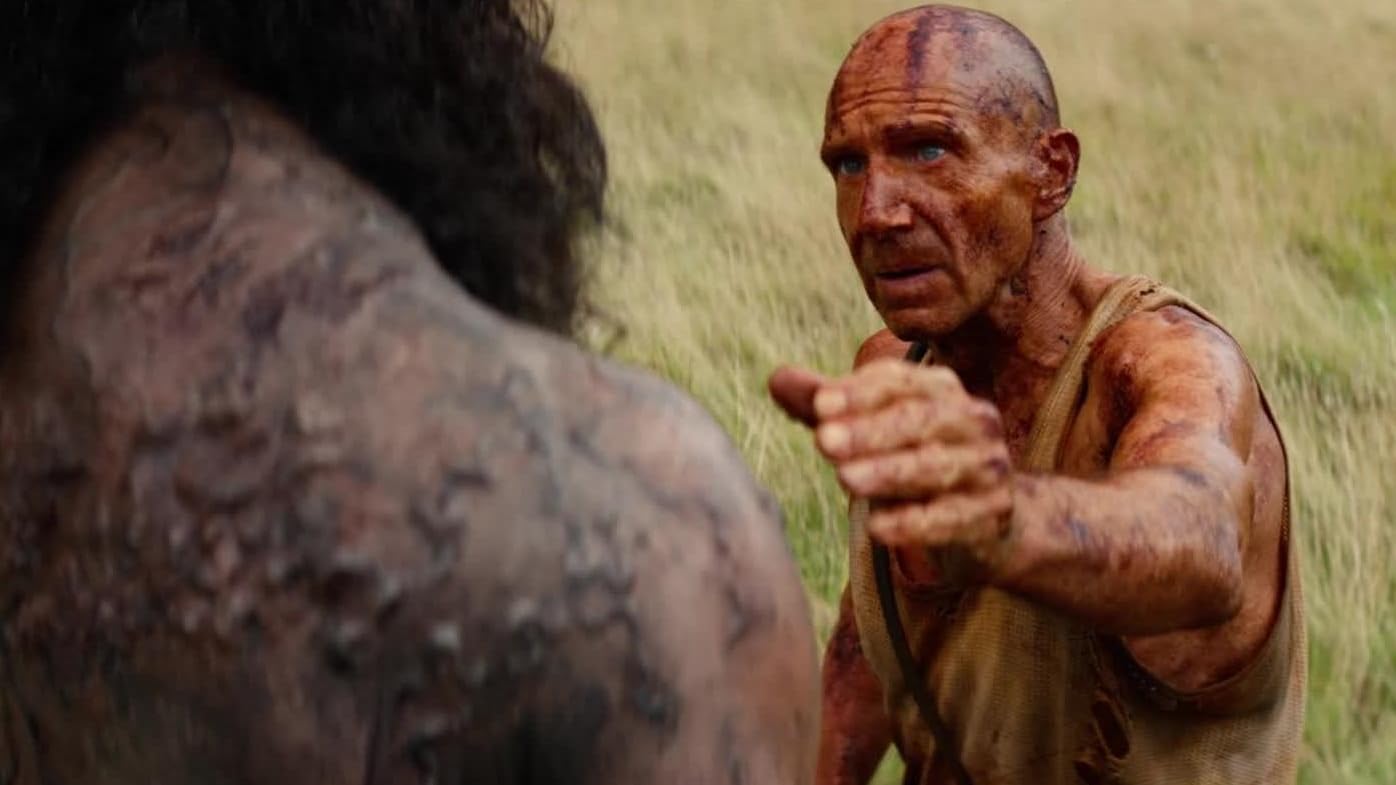
Additionally, despite Alex Garland returning to pen The Bone Temple, his script isn’t nearly as nuanced and layered as 28 Years Later. Instead Garland veers into the realm of the supremely weird. Listen I’m all for weird but when you have Ralph Fiennes getting high with an infected and singing Duran Duran‘s “Rio” and “Girls on Film” while dancing on a hill, I think you’ve lost the plot. I understand that it’s Kelson trying to connect with an infected to see if he can discover a cure, and that it most likely represents an analogy of bridging a gap of ideologies in an attempt to make one side see reality for what it is, but it’s just too damn bizarre to work. That’s not to say that Garland gets completely lost in the sauce here. There’s a truly fascinating conversation between Kelson and Jimmy late in the film that examines a portion of the world’s misplaced and ignorant tendency to demonize science and the people who are actually trying to help others. Moreover, at one point in the conversation Kelson talks about what it was like before the virus and how the “foundations of society seemed unshakeable.” It’s very much a commentary on what the world was like pre-2016 and how a very large portion of the world has descended into madness. And just in case you didn’t think Garland was also referring to the rising tide of worldwide fascism, there’s a button end scene with a well known OG character that makes it abundantly clear.
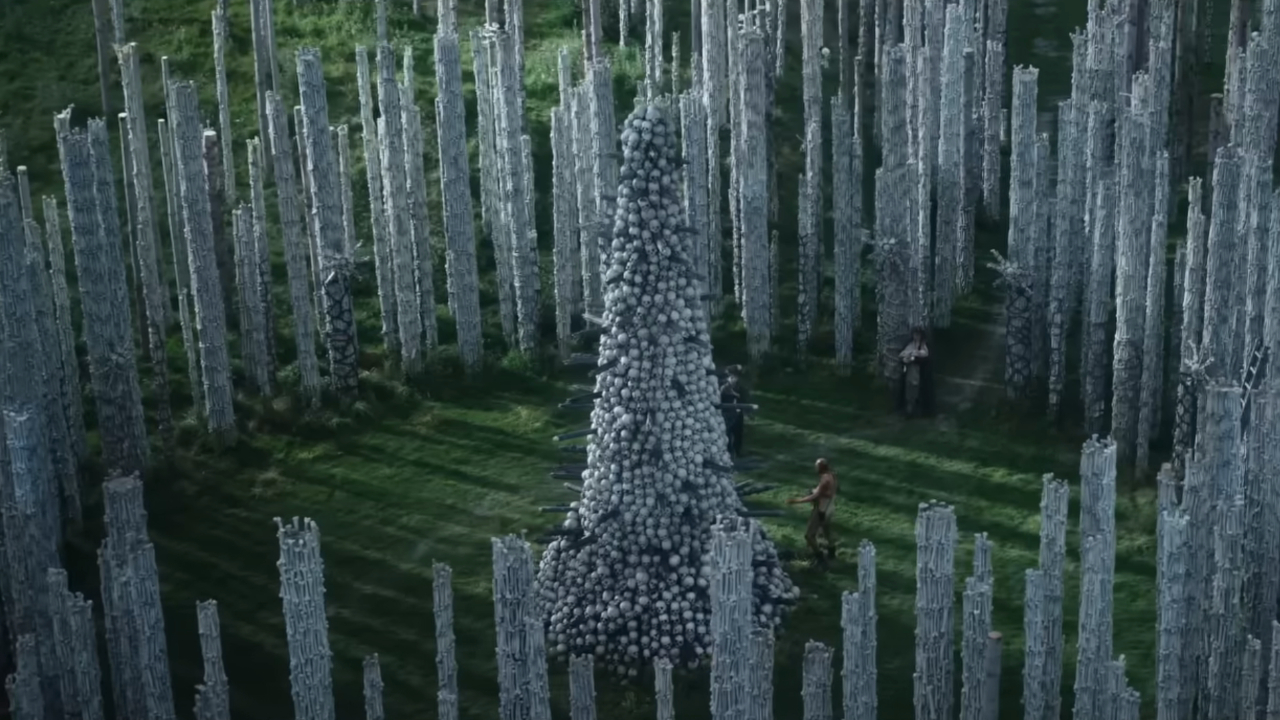
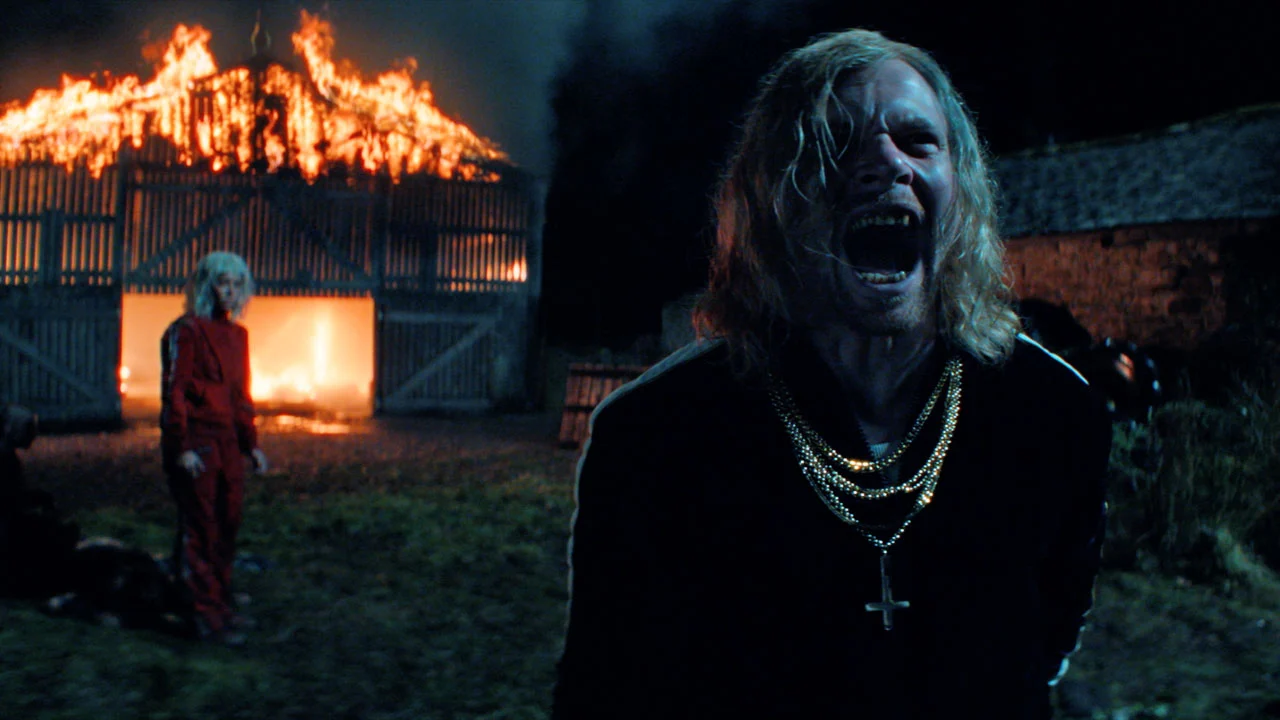
Where The Bone Temple does succeed is in the acting performances of its two leads – Ralph Finnes and Jack O’Connell. Finnes expands and enhances his Kelson from the first film with a commanding performance that is equal parts empathetic, melanchology, hopeful, and at one point bugfuck nuts. Never thought I’d see Ralph Finnes cavorting to Iron Maiden‘s “Number of the Beast” while pretending to be Satan but here we are. While Finnes shines as Kelson, O’Connell’s take as Sir Jimmy Crystal is truly unhinged. Sporting an outfit that screams of the deceased TV personality and noted pedophile Jimmy Saville, O’Connell gives one of the most villainous performances of the last ten years. A satanist who believes he is the son of the devil (or Old Nick as he calls him) and is in direct communication with him, Jimmy holds complete sway over his acolytes, forcing them to do all manner of atrocities. Yet at his core he’s a complete maniuplaitve phony and knows he is. As the cracks begin to show and certain followers recognize that he’s full of shit, it shines an insightful light on the bankrupt nature of the cult of personality. Make no mistake, Jimmy is a cult leader, one so evil you cannot wait for him to receive justice.
Sadly Alfie Williams’ Spike takes a decided backseat in The Bone Temple which really disappointed me. After one of the best child performances I’d seen in years, Spike comes off as a mere footnote in The Bone Temple with the focus mostly on Jimmy and Kelson. I will admit there were some harrowing scenes where Spike acquitted himself well, especially the opening sequence but ultimately, this isn’t Spike’s story. However, Emma Laird as Jimmima makes up for it with a truly diabolical fight scene and Erin Kellyman’s layered performance as Jimmy Ink was a welcome addition. All of the scenes involving the Fingers are enhanced by a suitably creepy score from Oscar winner Hildur Guonadottir who takes over for Young Fathers from the last film.
I will say that although I didn’t enjoy The Bone Temple nearly as much as the previous film, it is definitely worth a watch and I’m still looking forward to the third and final film in the trilogy. While I wouldn’t worship at the altar of this particular temple, there’s still much to admire about its cinematic architecture.
My rating system:
1 God Awful Blind Yourself With Acid Bad
2 Straight Garbage
3 Bad
4 Sub Par
5 Average
6 Ok
7 Good
8 Great
9 Excellent
10 A Must See
Masterpiece
28 Years Later: The Bone Temple: 6/10