Movie Review: ‘The Death of Robin Hood’
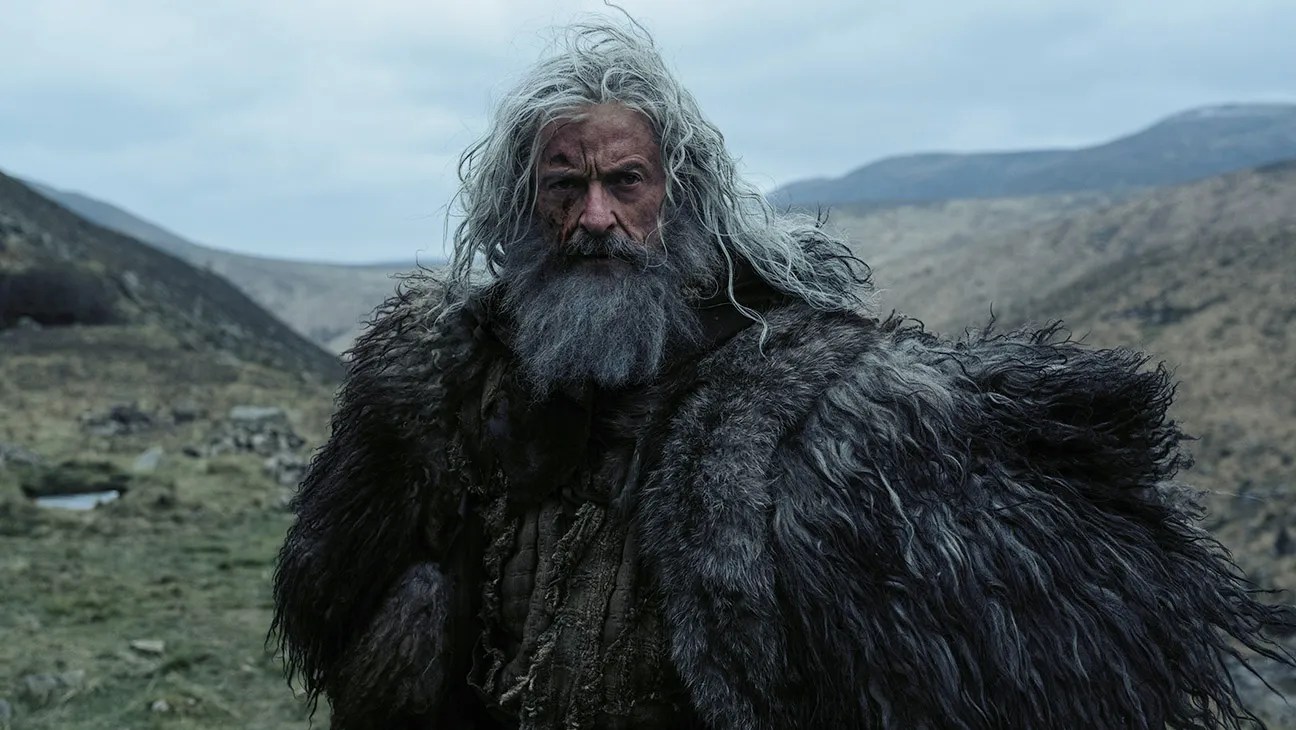
Plot: A deconstruction of the Robin Hood myth, director Michael Sarnoski’s (Pig) latest film follows an isolated, bitter Robin Hood (Hugh Jackman) who dismisses the outlandish tales that made him a folk hero. Knowing that he’s actually a murderous bandit, Robin contents himself by living a solitary existence in the wilderness. When Robin’s old friend Little John (Bill Skarsgard) enlists Robin to help him regain his farm, the resultant violence eventually lands Robin at the Priory of St Clement, run by prioress Sister Brigid (Jodie Comer). While recuperating, Robin is forced to confront his past, reckon with the cost of violence, and discover if redemption is possible.
Review:
“It’s a Hell of a thing killin’ a man. You take away all he’s got, and all he’s ever gonna have.”
“Yeah, well, I guess he had it comin’.”
“We all have it comin’ kid.”
-Unforgiven
It’s not often I start off a movie review with a quote from another film (in fact, this may be the first time), but I think it’s apropos for director Michael Sarnoski’s brilliant new film, The Death of Robin Hood. In much the same way Clint Eastwood’s classic Western deals with how violence utterly changes you, Sarnoski’s work examines the cost of violence, the toll it takes on your soul, and the very real consequences that shape others’ lives from an act of violence. However, in this instance, it’s told through the lens of the Robin Hood legend, deconstructing the concept of the noble bandit who “robs from the rich and gives to the poor.”
Gritty, contemplative, melancholic, and a profound examination of how violence begets violence and erodes your humanity, The Death of Robin Hood is a searing re-imagination of the Robin Hood mythos. Highlighted by a revelatory performance from Hugh Jackman in the title role, The Death of Robin Hood is about as far removed as you can get from films like Robin Hood: Prince of Thieves. A brooding movie that never feels like an affectation, I was floored by this film.
Although just his third directorial feature, Michael Sarnoski continues to prove he’s one of the more interesting directors working today. Both his previous films, Pig and A Quiet Place: Day One, examine what it means as individuals to give our lives true value. Whether that’s Nic Cage’s renowned chef Rob Feldman turning his back on fawners and sycophants to live a life of quiet peace in Pig, or Lupita Nyong’o’s Sam finding purpose and friendship amidst terminal cancer in A Quiet Place: Day One, it’s clear Sarnoski cares about exploring the vast depths of the human condition.
The same holds true for The Death of Robin Hood, except this time writer/director Sarnoski explores the themes and consequences of violence. Violence is ultimately a transgressive act that profoundly alters both the people it is perpetrated upon as well as the perpetrator. From the opening scene of the movie, it’s clear that the act of violence has become so commonplace for Jackman’s Robin Hood that he’s forced to contend and kill the descendants of people he slaughtered decades before, victims he doesn’t even remember. For Robin, murder is akin to making a fire or taking a swim in the creek. Slitting a throat is just another Tuesday. Yet concurrently, it’s clear that each act of violence erodes a piece of Robin’s soul, so much so that he’s indulged in and perpetuated his own myth to assuage his buried guilt despite knowing stories “are all lies.” Only truly broken souls remove themselves from civilization like Robin does.
What’s fascinating is how Sarnoski uses a story set in the mid 13th century as a mirror and a commentary on today’s world. Society in the latter half of the 20th century and the first quarter of the 21st century has simultaneously aggrandized and minimized the concept of violence. We celebrate violence in our movies, our TV shows, our books, and our video games, while at the same time dismissing the devastating effects of war as something that happens to other people. It doesn’t impact us directly, so it doesn’t matter. Yet what The Death of Robin Hood would suggest is that, in fact, it very much does matter.
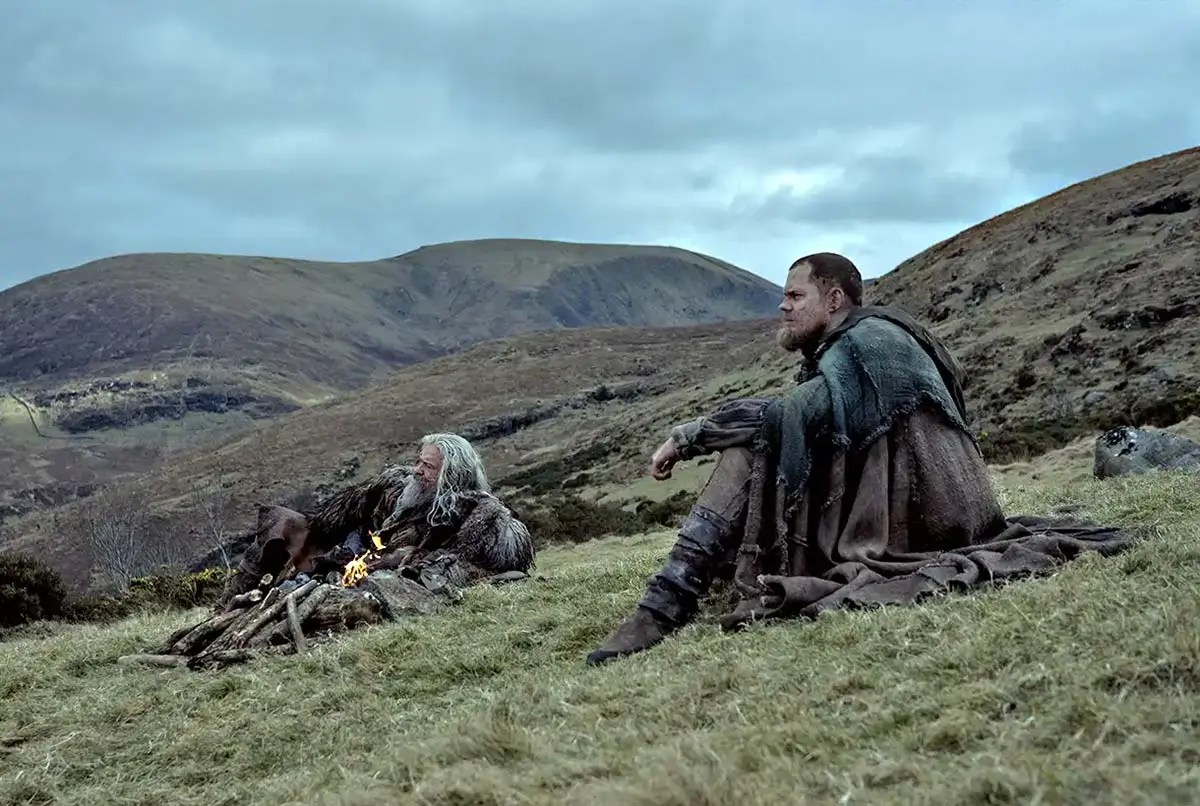
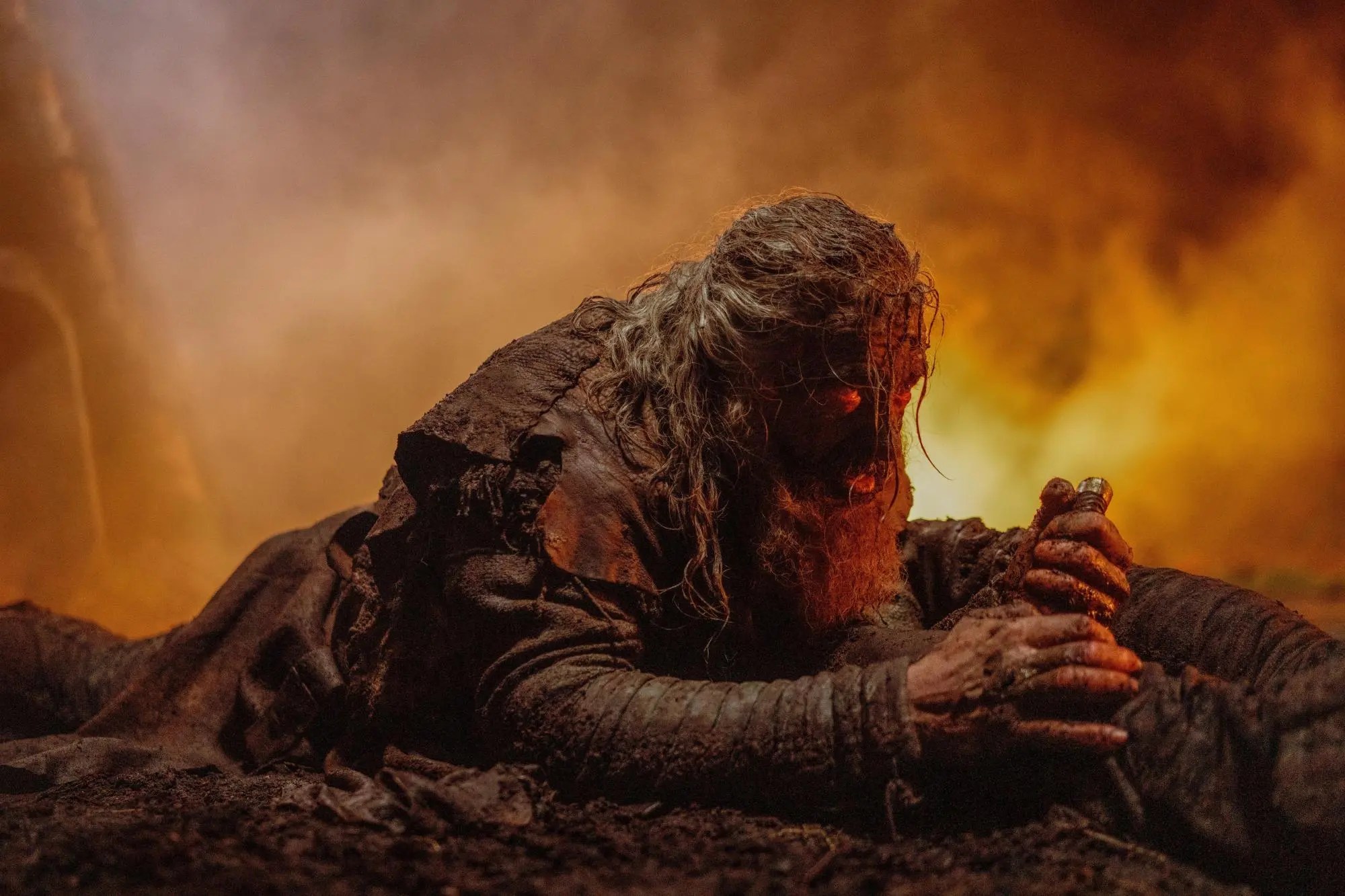
Sarnoski’s melancholic contemplation of the cost of violence in The Death of Robin Hood is also reflected in the look and feel of the film. Sarnoski collaborator Pat Scola provides sweeping yet somber cinematography that takes full advantage of Northern Ireland’s geography. Yet Scola proves just as adept at setting a mood as he does at capturing a violent action scene. The blocking and filming of a major set piece in the first third of The Death of Robin Hood was truly astonishing. Scola’s work is aided by an equally somber but hauntingly beautiful score from Jim Ghedi. The use of bagpipes and highland flutes echoes the best parts of Braveheart. Lorna Mugan also provides some phenomenal costume work, whether it’s the weathered, gritty look of Jackman’s Robin or the elegant but humble ensemble of Comer’s Brigid. It’s a rugged, earthy aesthetic that really works.
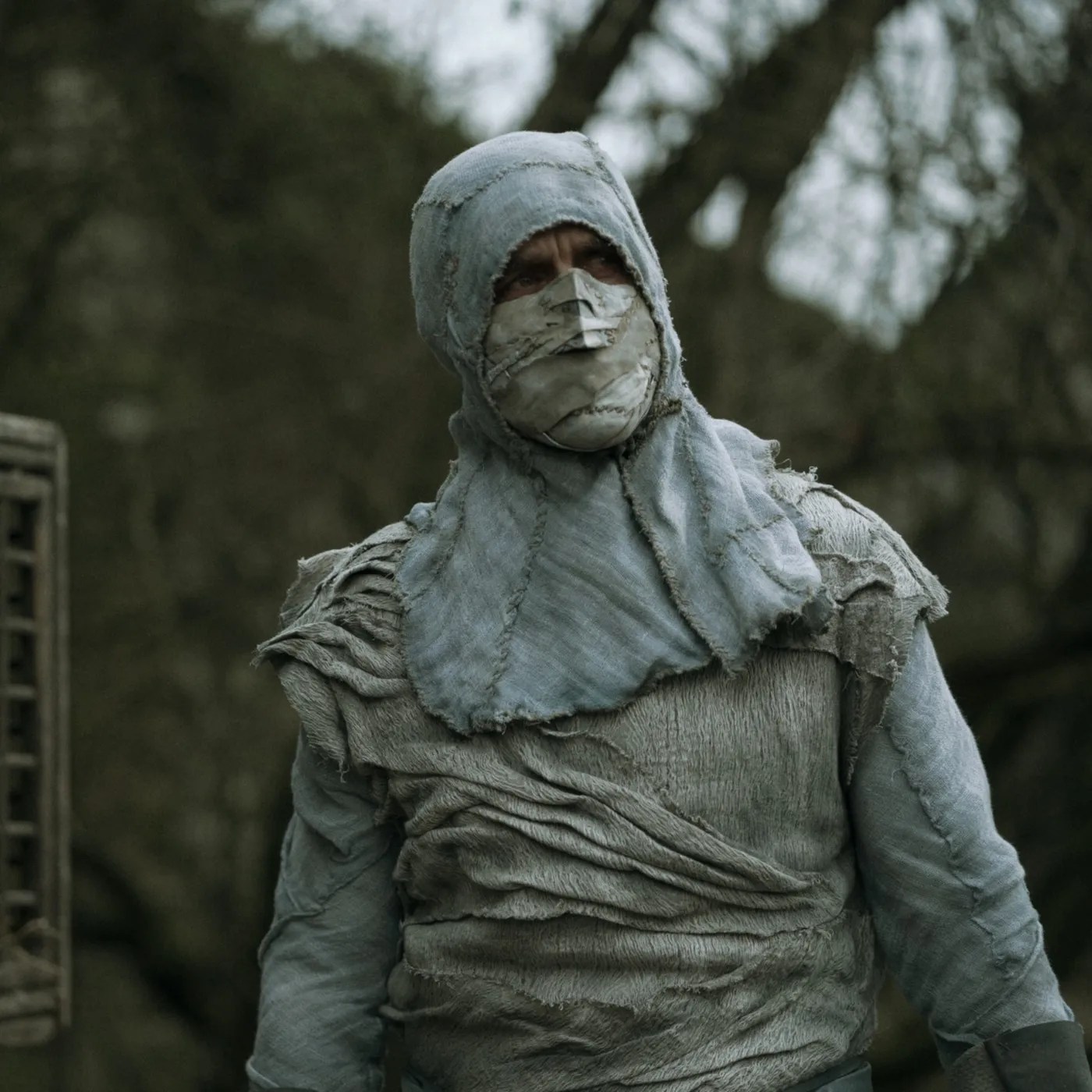
The aforementioned themes and visual intricacies wouldn’t have the same emotional resonance if not for the stunning performances in The Death of Robin Hood. Jodie Comer continues to impress me with each successive role. Her Sister Brigid comes off as a stalwart, kind soul who, unlike Robin, believes in the intrinsic goodness of people. Brigid remains this way in spite of a tragic incident in her past. While I’ve always hated and rejected the phrase “It’s God’s will,” Brigid’s character proves that communal good can eventually come from personal pain. Skarsgard, meanwhile, is almost unrecognizable as Little John both in voice and look. Unlike Robin, Little John has forsaken his former life to become a Godly man, a husband, a father, and a farmer. Yet as the first third of the movie proves, a life of violence will always come back to haunt you. Even Murray Bartlett (The White Lotus, The Last of Us) shines as a leper, despite being covered in bandages for almost the entire film.
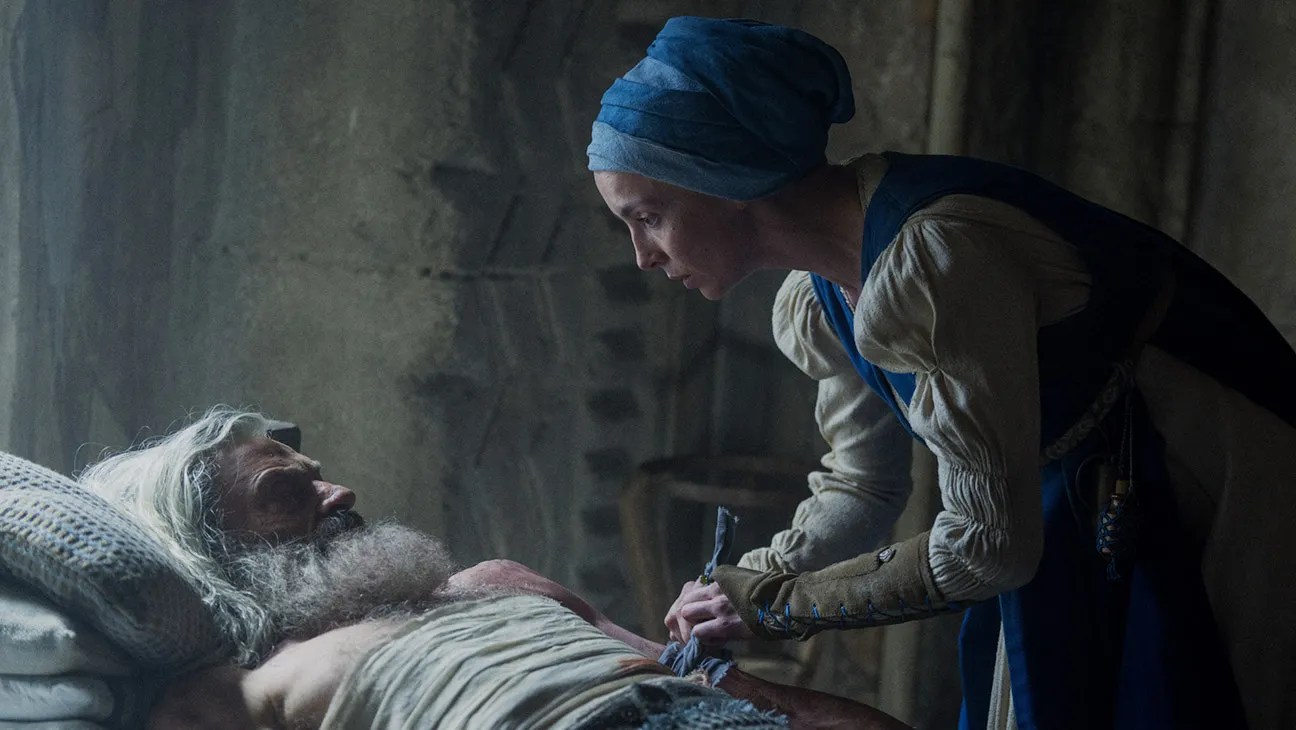
Yet it is Hugh Jackman’s haunting, heartbreaking, and riveting performance as Robin Hood that carries this feature. In a career that’s seen Jackman take on everything from Wolverine to Jean Valjean to P.T. Barnum, this is definitely one of Jackman’s best. Violence is a way of life for Jackman’s Robin Hood, but it’s also a source of internal torment. In fact, his character is so tormented that he clearly has an unrequited death wish. Yet it is an endless source of frustration that death eludes him.
Unlike some stories where the irredeemable character finds redemption, Jackman’s character not only doesn’t deserve it but doesn’t want it. Maybe someone like him can only find solace in making a new choice here and now, despite the horrors of the past. Two scenes in particular impressed me. The first is a scene on a beach between Robin and Noah Jupe’s Arthur/Godwyn. It’s a contemplative and moving sequence where Robin comments on the cost of violence and expounds on the dangers of going down that path. Although a different choice is offered to Arthur/Godwyn, Robin makes it clear that he’s still just as willing to slice the young man’s throat. The other is the concluding scene between Brigid, Little Margaret (Faith Delaney), and Robin that’s as heartwarming as it is heartbreaking. I won’t ruin the line, but there’s something Jackman’s character says that I’ll carry with me for a long time.
The Death of Robin Hood exemplifies everything I love about cinema. It was an unexpected delight that I truly did not see coming. While not my favorite movie I’ve seen this year, it is certainly the best.
My rating system:
1 God Awful Blind Yourself With Acid Bad
2 Straight Garbage
3 Bad
4 Sub Par
5 Average
6 Ok
7 Good
8 Great
9 Excellent
10 A Must See
Masterpiece
The Death of Robin Hood: 10/10


![Top 10 Creepy Cryptids [by Bea Harper]](https://i0.wp.com/houseofgeekery.com/wp-content/uploads/2016/10/cryptid.jpg?fit=1200%2C675&ssl=1&resize=40%2C40)


