Authenticity, Verisimilitude, and The Acolyte
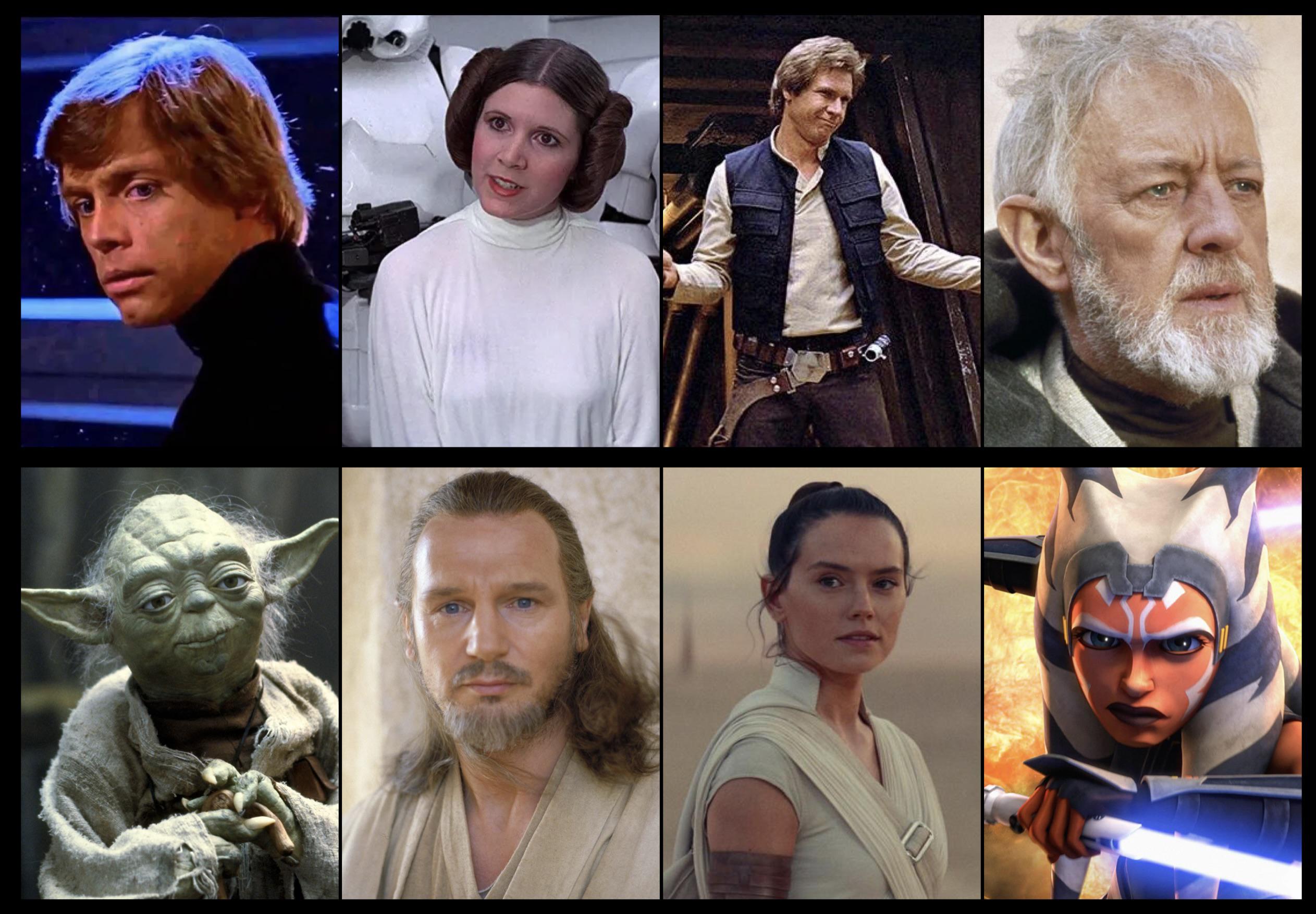
Authenticity: the quality of being genuine
Verisimilitude: the appearance of being true or real
I’ve hesitated to write this article for almost a month now because dipping into Star Wars discourse–particularly Disney Star Wars discourse–has become akin to avoiding a field of thermal detonators while a dozen wampas wait in the shadows. I wanted this piece to be thoughtful, rational, and logical, so it wouldn’t be construed as some vitriolic Gen-Xer diatribe prompting an endless parade of lazy “Abe Simpson shouting at clouds” memes in the replies.
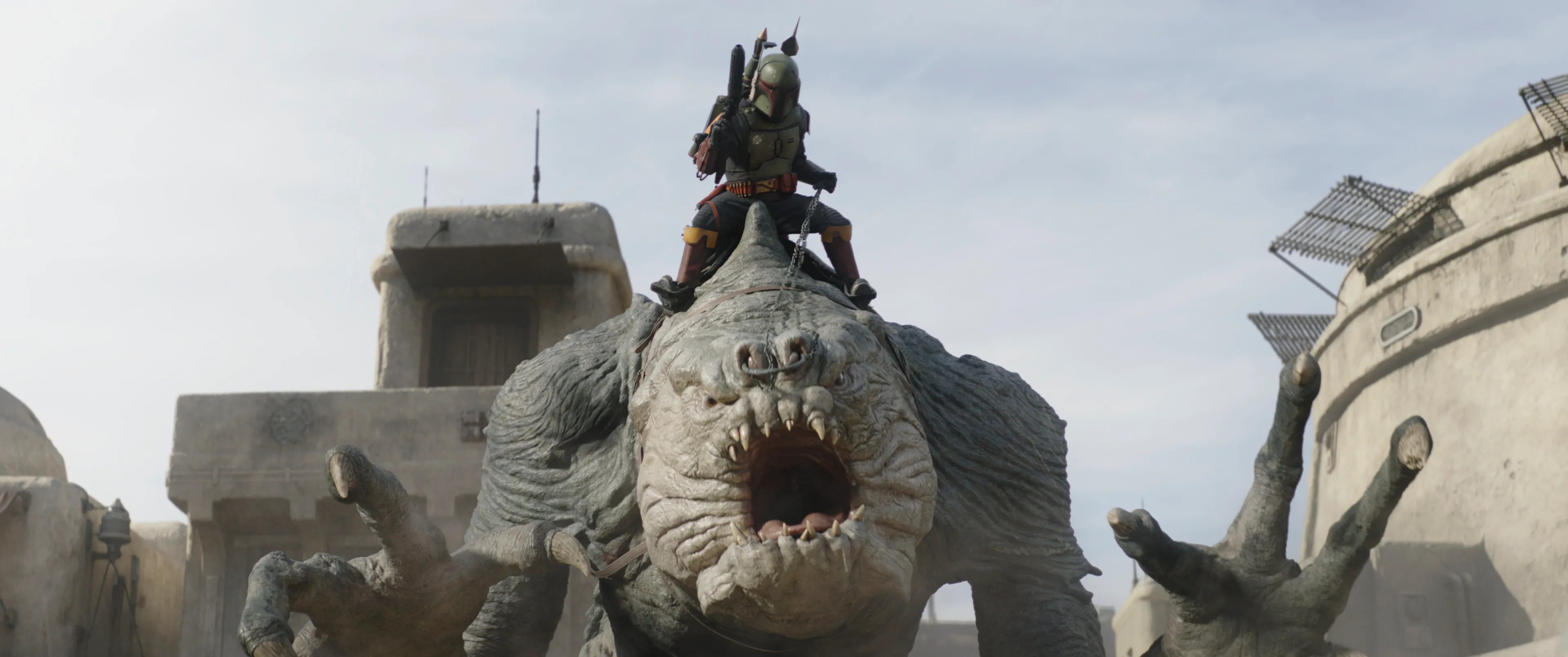
At the outset I want to categorically state I am not a modern Star Wars hater. I thought The Force Awakens, The Last Jedi, and Rogue One were excellent even if Solo and The Rise of Skywalker were disappointments. Comparatively, Star Wars on television has been a mixed bag with The Mandalorian season three a major letdown after two excellent ones, Andor one of the best written shows on any streaming service, and Obi-Wan Kenobi a massive liquid flatulent emission aside from a stellar lightsaber battle. Meanwhile, Ahsoka didn’t stick the landing and The Book of Boba Fett bafflingly failed to do anything interesting with it’s main character. (Seriously how do you have one of the most badass characters in the Star Wars universe and not lean into a story where he fills the power vacuum of a major crime syndicate after the death of Jabba the Hutt? Instead we get Boba Fett riding a rancor. Really?)
I thought The Book of Boba Fett was the absolute nadir of modern Star Wars.
Then I watched The Acolyte.
To be clear, I don’t fault anyone if they love The Acolyte. There’s a prevalent pattern online to denigrate and attack anyone who dares express their love for…well…anything. That’s cowardly behavior by all accounts and those people should be ashamed of themselves. Additionally, as someone who’s at the periphery at best, I recognize how difficult it is to get anything made in this industry, let alone something involving a major IP.
Concurrently, I also believe it’s become increasingly difficult to have an honest conversation about anything in our society, not just film and television. We’ve become a deeply inauthentic culture, particularly in the West, where vast swaths of the public would rather be online voyeurs rather than engage with the world at large. Consequently, to some extent we’ve lost the ability to call something exactly what it is based on what we see and hear. We’ve gaslit ourselves into thinking something isn’t that awful because everyone “worked really hard on it.” That’s the kind of logic best reserved for critiquing a drawing from a three-year-old that might or might not be an elephant. Fine for toddlers but completely unhelpful for mature adults. It’s the most disingenuous form of criticism possible in an era where audiences are desperately craving authentic experiences.
Which brings me to The Acolyte. Lest you think this a giant dunk article, I did not find this series to be a “flaming woke dumpster fire” like some incel idiots who hate women and people of color have stated. Sadly, too many of those voices have been amplified online to the detriment of people with legitimate criticisms of this show. I did not outright hate The Acolyte. The lightsaber battles were some of the best since Return of the Sith, I found many of the visuals quite stellar, and I appreciated Lee Jung-jae’s performance as Jedi Master Sol. Unfortunately, I found those to be the only redeeming qualities about a series I also found poorly written, ham-fisted in its execution, with wooden performances, and seemingly indifferent if not outright hostile in it’s treatment of Star Wars lore.
The Acolyte completely lacks verisimilitude, or more simply put the preponderance of being true or real. That may sound insane to say about a franchise that consists of “space wizards and laser swords” (a tiresome description I detest), but let me see if I can explain. The original Star Wars film was chock-full of fantastical elements whether it was the mystical Force, a cybernetic villain, technological death machines that could eradicate an entire planet, or a desert world that somehow had a breathable atmosphere. Yet audience members accepted and believed it because we connected with the exploits and experiences of the characters. Being on the cusp of adulthood and longing to leave home for something more, the Force as a stand-in for God or spirituality, Stormtroopers that remind us of Nazi soldiers, standing up to oppression and injustice, having a sense of adventure, Hell even the holochess that R2 and Chewbacca play–these are things human beings can relate to because they are real things. They possess verisimilitude. It allows the audience to accept the big asks like lightsabers and Death Stars.
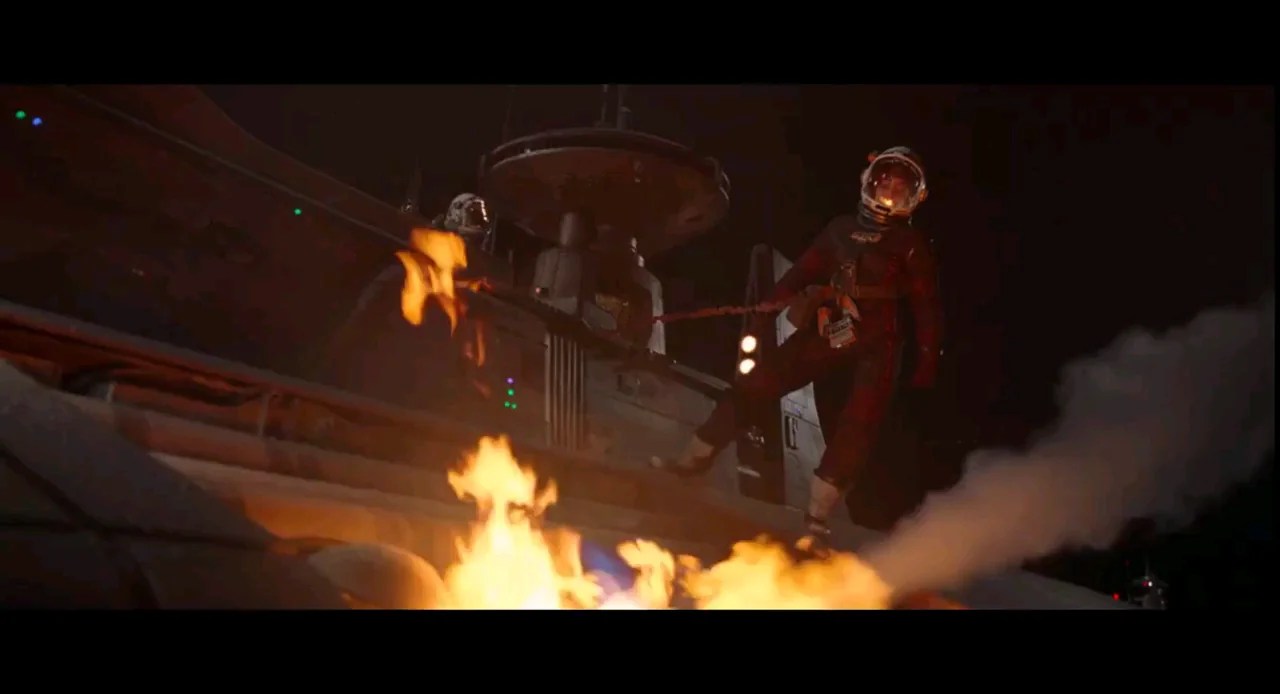
Yet time and again, The Acolyte makes narrative and visual decisions that defy verisimilitude. Much was made about the “fire in space” issue early on in the series, with online keyboard cowboys derisively dismissing people’s objections. But the critique has validity. There’s nothing wrong with fire in space, we’ve seen it before in Star Wars, particularly in Return of the Jedi when the Executor crashes into the Death Star in a ball of flame. Yet the precedent was set as it being in the heat of battle. It made sense. It possessed verisimilitude. The fire Osha helps dispel looks like a campfire crackling in the forest. Hell the scene CUTS to real campfire after the fact.
It doesn’t feel real.
When Mae confronts Torbin in Olega he looks like a young Dean-Charles Chapman made to look older with a ridiculous beard and substandard makeup.
It doesn’t feel real.
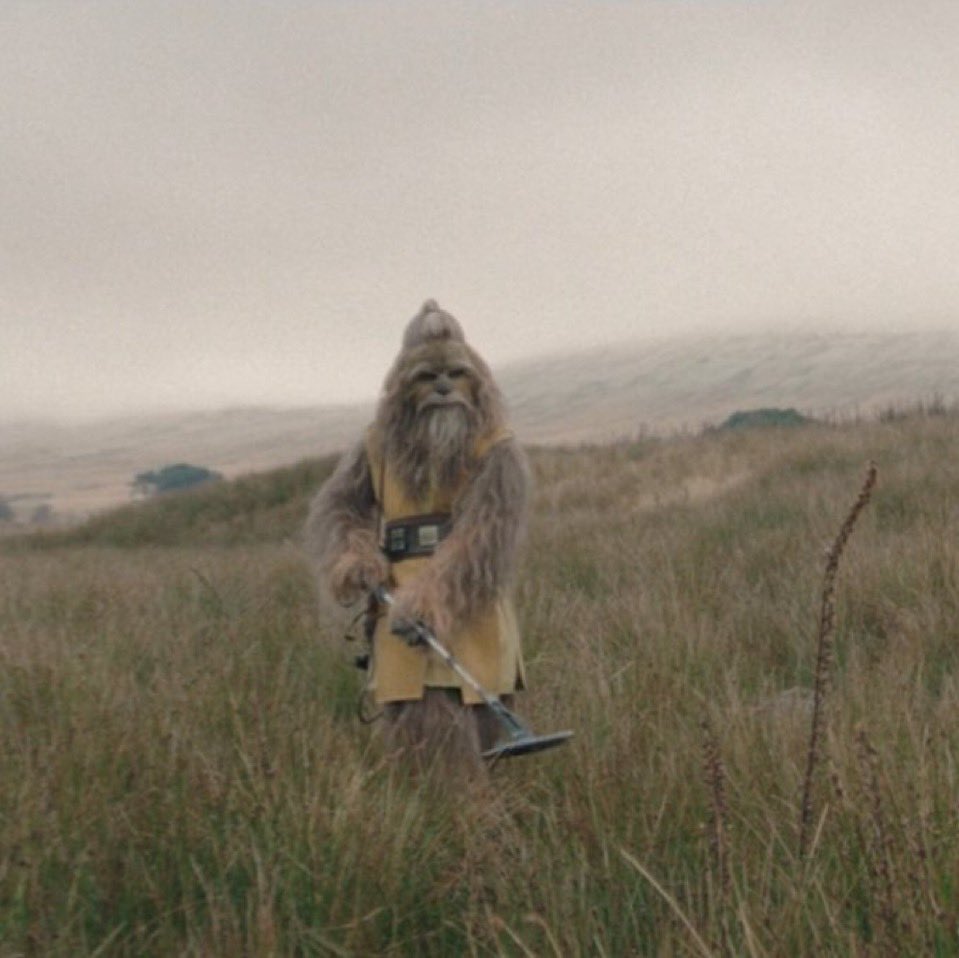
Kelnacca at one point searches for material on Brendok with a device that looks exactly like a metal detector. His lightsaber attacks are visually so lumbering that an unarmed youngling could take an hour to dodge them.
It doesn’t feel real.
Bazil sabotages Sol’s ship for reasons that are never explained or discussed.
It. Doesn’t. Feel. Real.
I could go on regarding verisimilitude, but the bottom line is this: if the showrunner and creator of The Acolyte Leslye Headland doesn’t care about presenting a compelling story that’s appears true and real, why should I? Why should anyone?
Then there’s a question of authenticity, something devoid in The Acolyte. The series is set 100 years before the events of The Phantom Menace during the High Republic, yet nothing aesthetically sets it apart from the prequel era that I can see. The Jedi are meant to be the “guardians of peace and justice in the Old Republic” as Obi-Wan once said, but in The Acolyte they are often portrayed as clandestine, elitist cult members concerned with clinging to power. Moreover, on Brendok they come off as creepy child kidnappers who misuse the Force (or Thread if you will), something that couldn’t be farther from the truth, as evidenced as recently as the canon novel The Living Force by John Jackson Miller. An examination of how other groups perceive the Jedi differently, even critically, is truthfully a fascinating idea. However, The Acolyte fails to do anything compelling or interesting on the topic other than a surface-level “the Jedi are bad actually” take. It’s revisionist history, character assassination drivel and completely disingenuous.
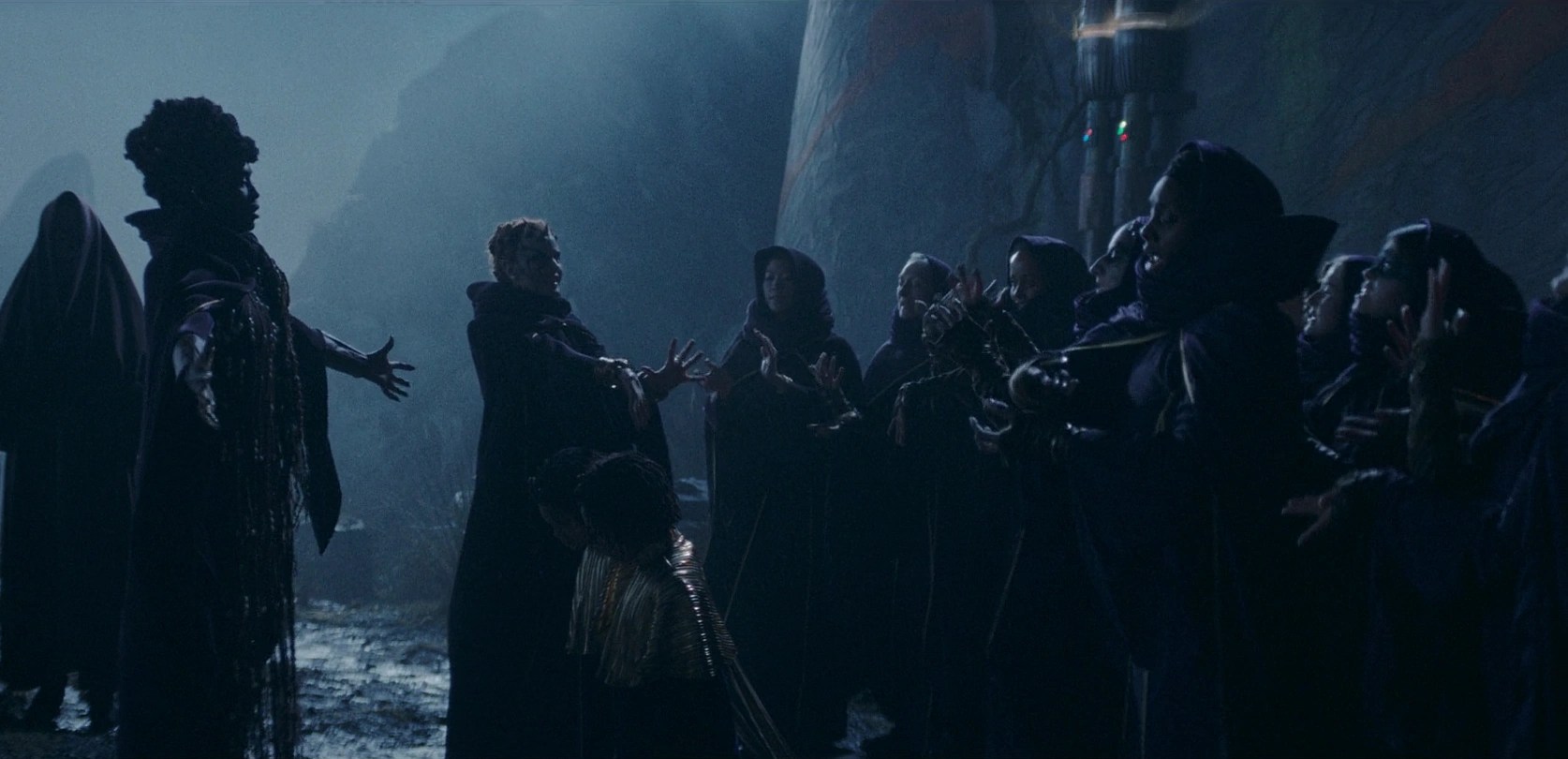
Then there’s the coven of witches on Brendok. I appreciated their aesthetic and their culture. It felt lived in and vibrant. Additionally, Jodie Turner-Smith puts in a strong performance as Mother Aniseya. The concept of cultures in various parts of the galaxy perceiving the Force differently than the Jedi is a fascinating topic. Even a matriarchal society of insular Force users sounds interesting from a macro level. Yet the writers of The Acolyte present the Brendok witches with the depth and nuance of a coven of amoebas. There’s no substance at all. It feels like a tertiary plotline on a filler episode from the sixth season of Buffy the Vampire Slayer. Moreover, the Brendok witches take actions that can’t reasonably be perceived as anything other than evil. Champions of the light side don’t possess someone and compel them to commit violence like the coven did with Kelnacca. That’s next level Dark Side behavior masquerading as noble safekeeping and I didn’t buy it. It was inauthentic. As inauthentic as Mae touching the kyber crystal on her lightsaber and turning the blade red. It’s not a goddamn 70s mood ring.
The Acolyte‘s persistent inauthentic nature and absence of verisimilitude proves the death knell of the thing I should have cared about the most, namely Osha and Mae’s story. I simply did not care and I did not care because Leslye Headland and her writers didn’t seem in the least concerned with making the audience care. When you present a poorly thought out, uncompelling story that’s inauthentic with no verisimilitude, the characters and plot ideas become moot. You’re left with cheap parlor tricks like lightsaber-blocking metal, teasing Darth Plagueis, and “member berry” back of the head shots of Yoda. The hubris of those involved with The Acolyte thinking they in any way earned a second season is mind blowing in its arrogance.
There’s a contingent of the audience that’s willing to accept The Acolyte as is and derive enjoyment from the series. I don’t begrudge them their happiness. I’m saying as a Star Wars fan, and a fan of great storytelling in general, it’s not enough for me. If you give me authentic, genuine stories, with excellent plots, and characters I care about, you will have my money 100/100 times. Relying solely on Star Wars iconography makes for soulless, vapid, and empty storytelling.
I would rather take a one-way trip to the Great Pit of Carkoon on Jabba’s sail barge than accept poorly written and poorly executed dreck cloaked in a thin veil of shiny Star Wars imagery.
Star Wars fans and connoisseurs of great storytelling deserve better.


![Top 10 Creepy Cryptids [by Bea Harper]](https://i0.wp.com/houseofgeekery.com/wp-content/uploads/2016/10/cryptid.jpg?fit=1200%2C675&ssl=1&resize=40%2C40)


Thank you for such a well-written and thoughtful critique of The Acolyte. I really wanted to like this show and even though Episode 3 was perhaps the worst episode of Star Wars TV ever (minus the infamous Christmas Special, lol), I felt like the series was ramping up with Episode 5. Unfortunately, it then crashed and burned with the final remaining episodes. Thank you for stripping away the “BS” critiques out there that are too often fueled by racism and sexism, and instead focusing on identifying the real flaws of this series. Well done!
LikeLike