Movie Review: ‘Joker: Folie à Deux’ (Second Opinion)

Plot: Two years after the events of the first film, Joker/Arthur Fleck (Joaquin Phoenix) awaits trial while in custody at Arkham State Hospital. Since murdering Murray Franklin on live TV, Fleck’s Joker persona has become a folk hero to the derided and downtrodden of Gotham City. Shortly before the trial begins, Arthur encounters Lee (Lady Gaga) at a music therapy session. An avid fan of the Joker, the two begin an incredibly dysfunctional relationship, with Lee encouraging Joker to represent himself. However, the results could be explosive not just for Arthur, but all of Gotham City.
Review: When the original Joker film released five years ago, it sent a lighting bolt through the collective on-line film-sphere. Some heralded it as a stunning raw piece of cinema, a brutalist homage to 70s films like Hardcore and Taxi Driver. Others regarded it as incel dreck that ripped off Scorsese and was as deep and meaningful as a puddle. Hell, even Entertainment Weekly called the film “dangerous” and refused to give it a score, something I found to be incredibly cowardly and ignorant. At the very least, at the absolute minimum, the original Joker was provocative. I didn’t see the need for a sequel but the idea of making it a musical and including Lady Gaga had me intrigued.
After seeing Joker: Folie a Deux, I immediately thought of that amazing scene in Spike Lee’s Malcolm X, where Denzel Washington thunders to his audience, “Ya been had! Ya been took! Ya been hoodwinked! Bamboozled! Led astray! Run amok!” From the broader audience’s general reaction I think they felt the same way. I don’t know what the Hell it was I actually expected but it certainly wasn’t…that. And it’s Joker: Folie a Deux‘s unexpected and mercurial nature that occasionally benefits the film, but more often hinders it.
Confounding, fascinating, sporadically brilliant, often perplexing, and constantly frustrating, director Todd Phillips’ sequel is just as provocative (maybe even moreso) than the first, if not nearly as compelling.
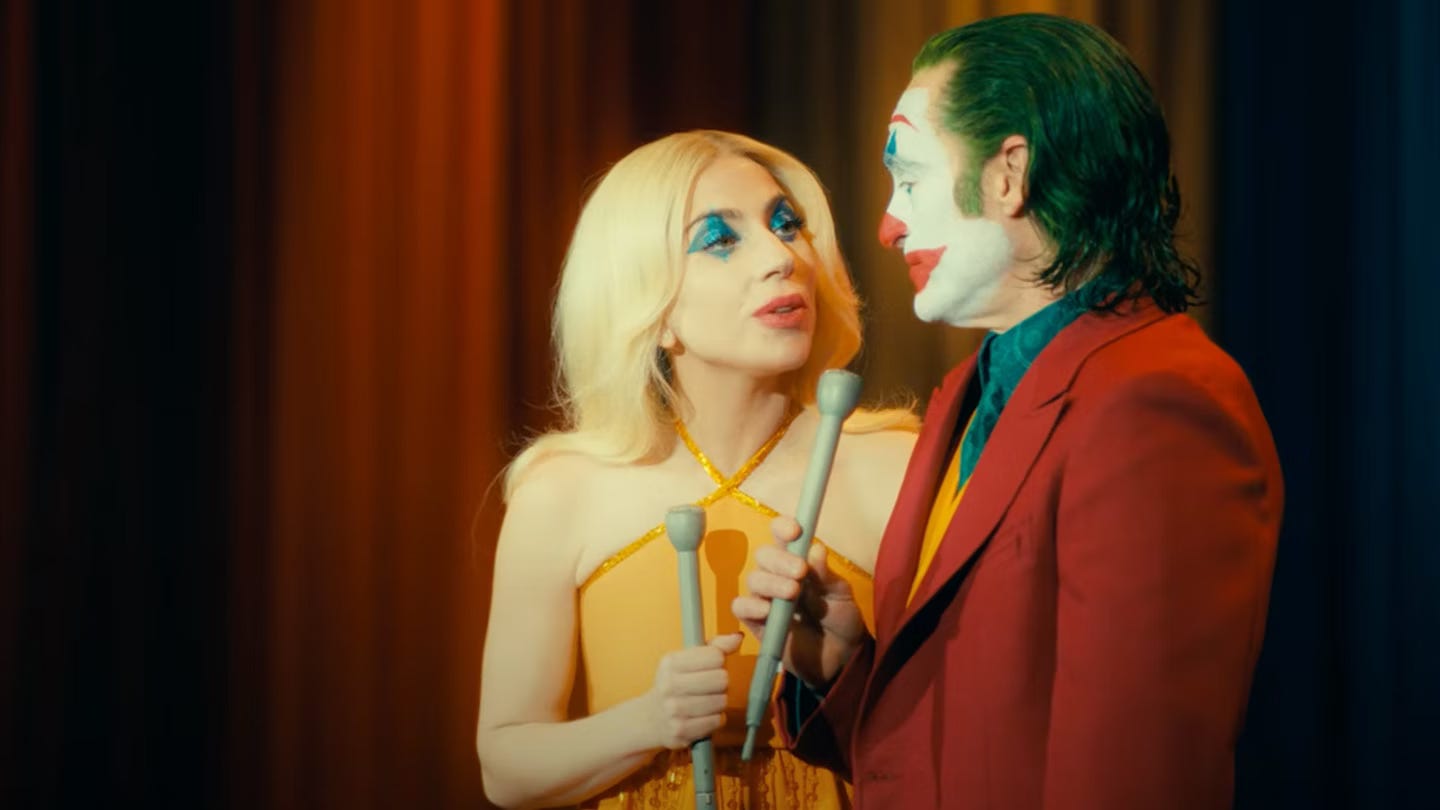
Tonally this movie is more scattershot than an interpretive dance from the Scarecrow. Phillips said he wanted to make a film that felt like it was made by the inmates at Arkham Asylum. I’m here to say he succeeded, however that doesn’t necessarily translate into a good film. The problem with going full chaotic and crazy is that you don’t usually get “Starry Night” by Van Gogh, you get feces on the wall. The film opens with a Looney Tune-esque sequence about the Joker and his shadow (subtext does not exist in this film in case you were wondering) which leads into various horrific moments of Arthur’s daily life in Arkham where he’s constantly abused by guards like Jackie (Brendan Gleeson). Arthur’s Joker personality seems to wake up again once he’s introduced to Lee, a Joker superfan who’s just as delusional as Arthur but is more concerned with Arthur embracing the Joker persona rather than getting any real mental help.
This all eventually results in a courtroom drama where Arthur decides to represent himself as the Joker. However rather than compelling, it’s confounding. The scene where Joker cross examines his former co-worker Gary Puddles (Leigh Gill) is undercut by Phoenix’s perplexing choice to use a Southern accent that sounds like Foghorn Leghorn. It’s a tragedy because Gill is sensational, in fact borderline Oscar worthy, during this exchange. It’s just one in a barrage of odd cinematic decisions that happen throughout the film. As the saying goes, “It’s certainly a choice.”
All of the aforementioned plot points sound linear, but any type of coherency is derailed by the musical numbers. Yes you heard that right. The most glaring problem with the Joker musical is that it is in fact a musical. While the numbers and set pieces are well choreographed and performed, there’s no rhyme or reason to them. They all seem like fever dreams of Arthur’s mind, which I guess is kind of the point. This movie should never have been a musical. In addition, while Phoenix can undoubtedly sing (just watch Walk the Line) putting him next to Lady Gaga is like putting a sputtering flame from a Yankee Candle next to a nuclear mushroom cloud. Gaga’s talented vocals overwhelm Phoenix to an unconscionable degree.

What isn’t unconscionable is Lawrence Sher’s camerawork which is stunning. Sher received an Oscar nomination for his work on the first film and it wouldn’t shock me if it happens again. His constant playfulness with scale and the ability to swing back and forth from big musical numbers to the mundane moments on the prison yard was impressive. There’s shots in Joker: Folie a Deux that are going to stay with me for awhile. Hildur Guonadottir once again delivers a brutal, gritty, grimy score that contrasts nicely with the musical numbers. I know the term “haunting” gets thrown around a lot but, if anything, Guonadottir’s score is in fact that. If not for her steady hand from the music perspective, Phillips’ film could have been much worse.
I’ll also say that the acting performances in Joker: Folie a Deux are top notch. Everyone is bringing their A-game, whether it’s Gleeson’s brutal guard Jackie, Leigh Gill’s Gary Puddles, Catherine Keener’s as Arthur’s lawyer, or even Steve Coogan as TV personality Paddy Meyers. Lady Gaga also categorically demonstrates that she can act. Gaga gives total commitment to the character of Lee, someone’s who’s just as broken as Joker but much more manipulative. And of course Joaquin Phoenix generates another masterful performance that provokes pity and sympathy but never empathy. You can’t take your eyes off of him, especially during Arthur’s closing argument to the jury.
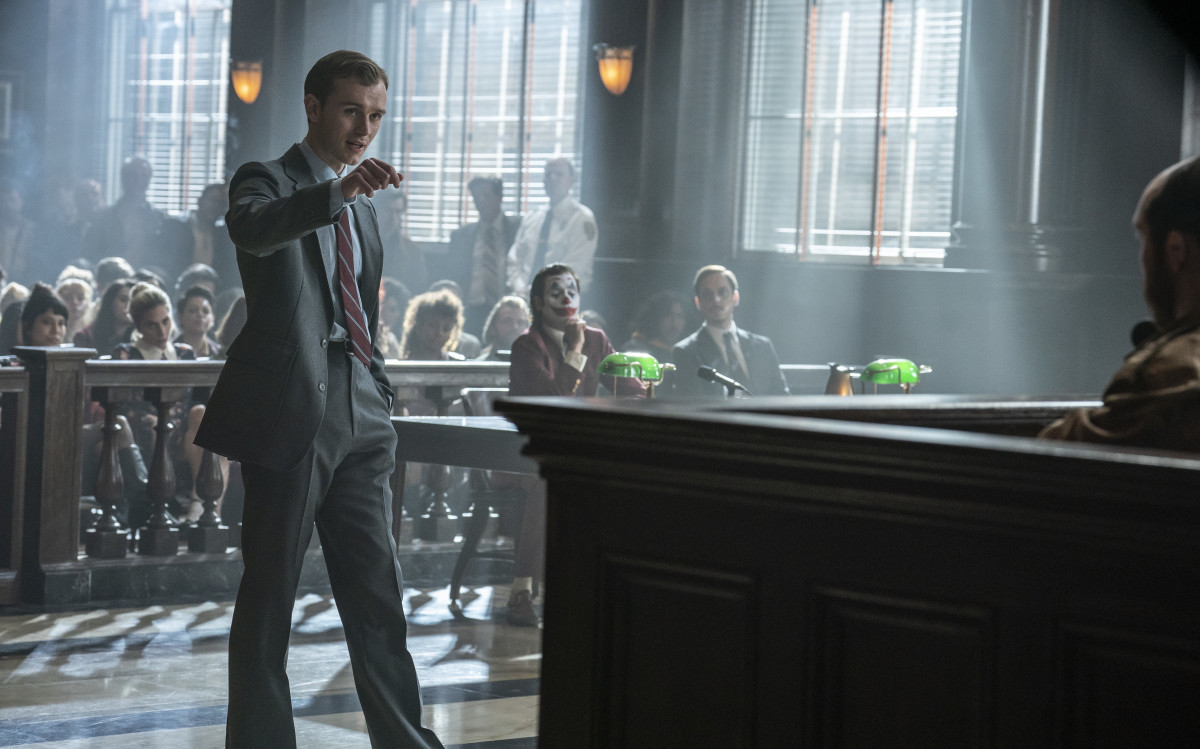
It’s that closing argument that I’d like to end on. In a tearful, dramatic, and wrenching summation, Arthur reveals that he isn’t crazy, the Joker isn’t a separate personality, and that he committed the crimes willingly. Unable to embrace his Joker persona, Lee and Arthur’s supporters abandon him. Hell there’s a scene shortly after this one where Arthur runs away from guys dressed in Joker masks. He’s very clearly trying to get away from this identity people have created in their minds of him. The obvious commentary here is that society loves sensationalism and treats the mentally ill as something to be ignored, or even worse, as subhuman. The key word in that sentence is “obvious.” Many supporters of Joker: Folie a Deux, have glibly proclaimed that its detractors simply “don’t get” the message. I’m here to say that’s not true. We absolutely get it. What I, and many others are saying, is that the message is obvious, ham-fisted in its execution, and doesn’t offer anything new. The message–such as it is–isn’t something most of us didn’t learn by age twenty.
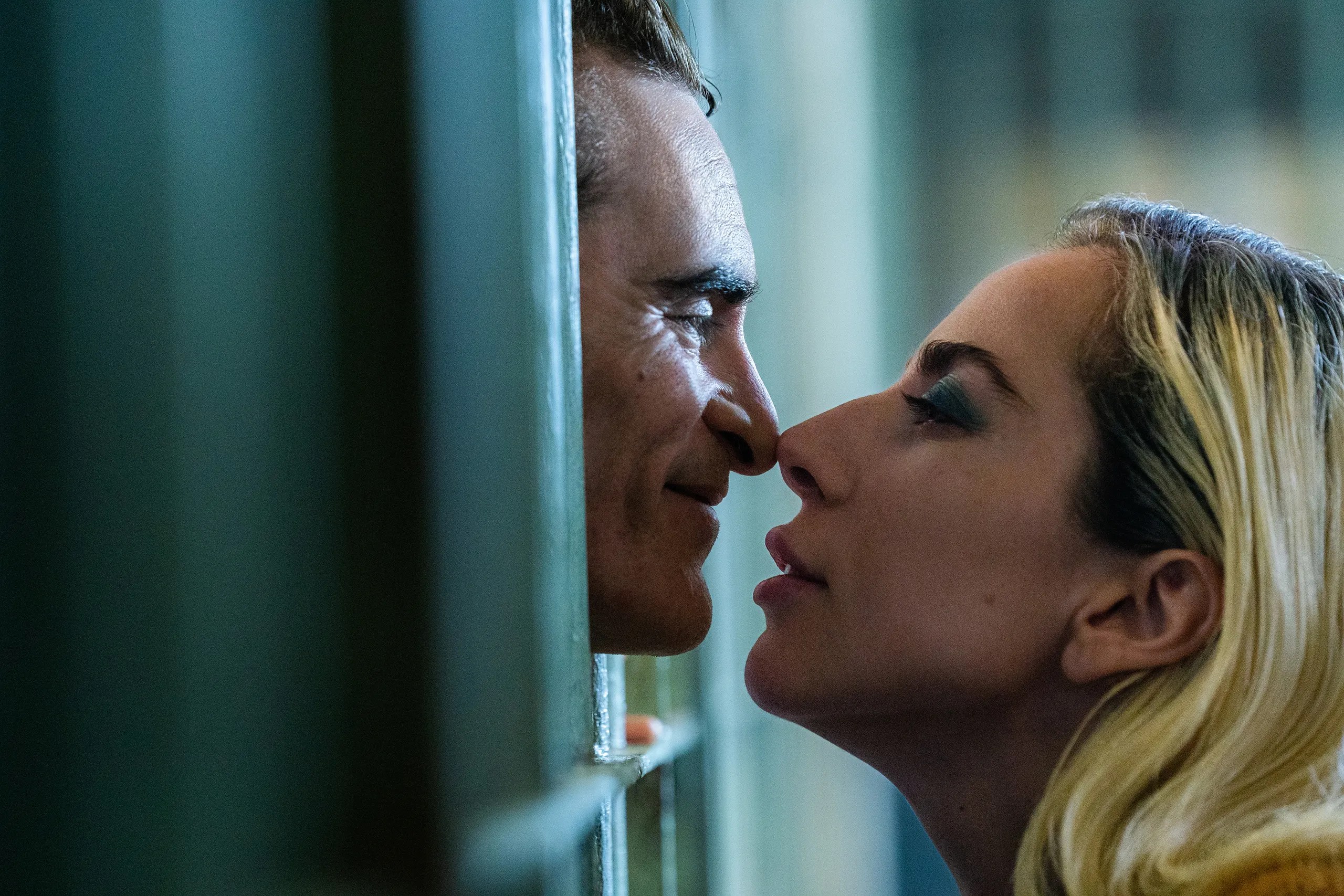
Additionally, the ending to Joker: Folie a Deux is extremely divisive to the point that I fully believe Phillips did it to piss off fans of the first film. I won’t ruin the ending, but it’s a final titanic middle finger in a conga line of middle fingers throughout the movie. Phillips was never interested in giving audiences the Joker from the comics who cracks wise and does horrible demented things. It’s instead an exploration of someone who spent his entire life being unmemorable, unloved, and unnoticed until the Joker persona happened. In that case mission accomplished, but it doesn’t necessarily make for a compelling or enjoyable movie.
When it comes down to where the Smilex gas hits the face, Joker: Folie a Deux isn’t nearly the masterpiece its supporters are making it out to be, or the unmitigated shit show its detractors want to paint it as. Provocative? Yes. But also as perplexing, convoluted, and intangible as the mind of the Joker himself.
My rating system:
1 God Awful Blind Yourself With Acid Bad
2 Straight Garbage
3 Bad
4 Sub Par
5 Average
6 Ok
7 Good
8 Great
9 Excellent
10 A Must See
Joker: Folie a Deux: 6/10


![Top 10 Creepy Cryptids [by Bea Harper]](https://i0.wp.com/houseofgeekery.com/wp-content/uploads/2016/10/cryptid.jpg?fit=1200%2C675&ssl=1&resize=40%2C40)


