Movie Review: ‘Nosferatu’ (Second Opinion)

Plot: A remake of the classic 1922 silent film from F.W. Murnau and inspired by Bram Stoker’s “Dracula,” director Robert Eggers invites audiences into the realm of vampires. When solicitor and newlywed Thomas Hutter (Nicholas Hoult) accepts a commission from his employer Herr Knock (Simon McBurney), he’s sent to Transylvania’s Carpathian Mountains. There, Thomas encounters the reclusive Count Orlok (Bill Skarsgard) who proves to be a vampire. Orlok desires to “retire” to Thomas’s city of Wisborg, Germany. However, Orlok secretly wishes to bring his own brand of plague and death to the city. Additionally, he seeks to claim Ellen Hutter (Lily-Rose Depp), Thomas’ new wife who has a past connection to Count Orlok. With the help of his compatriots Dr. Wilhelm Sievers (Ralph Ineson), Friedrich Harding (Aaron Taylor-Johnson), and Professor Albin Eberhart Von Franz (Willem Dafoe), Thomas must confront and destroy Orlok before he claims the city and Ellen forever.
Review: The character and story of Dracula has been portrayed in various mediums for over a century. Whether it’s Murnau’s classic silent film from the 1920s, Bela Lugosi’s iconic portrayal in 1931, the Hammer films of the 60s, or Francis Ford Coppola’s Wagnerian movie starring Gary Oldman, it seems the story of the seminal strigoi (look it up) still enchants audiences. Yet with so many iterations of the beloved bloodsucker the question for creators becomes, “Is it possible to say something new and vibrant about the King of the Undead?” Luckily for cinema fans, director Robert Eggers answers that question with a resounding “Yes!”
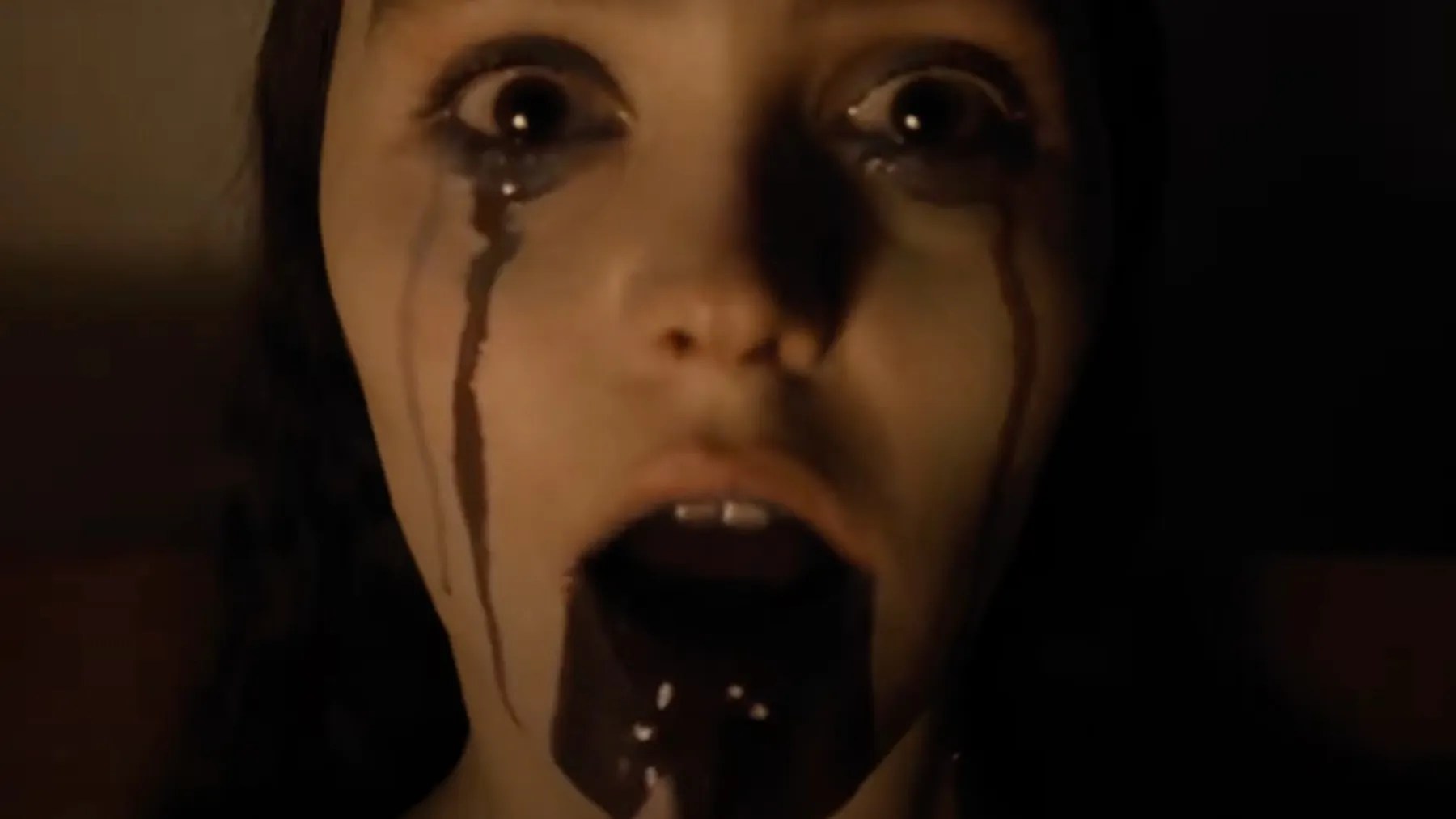
A gothic masterpiece in every sense of the phrase, Nosferatu is one of the most mesmerizing, captivating films of 2024. Every shot of cinematographer Jarin Blaschke’s work feels like a 19th century oil painting come to life. Shot on 35 mm Kodak film and in a 1.66:1 aspect ratio, director Robert Eggers creates dread, terror, melancholy, or intense sexuality with every frame. Sometimes all four at once. Indeed every image, whether it is the shadow of Orok’s hand cascading over Wisborg, Von Franz laughing maniacially while Orlok’s home burns around him, or literally every shot at Count Orlok’s castle–is designed to evoke intense emotion. This isn’t a thinking man’s vampire story by any means. Couple this with Robin Carolan’s spine-tingling and haunting score and you have a recipe for greatness.
Rather than jump scares (thankfully) Eggers – who also wrote the script – succeeds at creating a prevalent and pervasive sense of dread throughout Nosferatu. My heart was elevated from the jump and I found myself clutching and grasping my chair multiple times. Eggers masterfully makes the dark scary again, scary like it was when we were children and believed monsters were hiding in the dark. Nosferatu boldly declares that all of our childhood fears were not unfounded and that evil is very, very real. Louise Ford’s editing prowess only serves to enhance Eggers’ distinct vision.

Ironically, for a film that’s based on the exploits of an Undead vampire, Nosferatu has some intriguing things to say about the human condition. Namely, that we ignore evil at our own peril and that to suppress human emotions (especially sexuality) can ultimately lead to the destruction of our own soul. Additionally, that to truly conquer evil, sacrifices, sometimes mortal ones, must be paid. Some have claimed that Eggers’ Nosferatu comes off nihilistic but I don’t agree. If anything it’s hope that triumphs.
I can’t speak highly enough about Nosferatu‘s cast. Great directors attract great talent and that is very much the case here. Nicholas Hoult had a Hell of 2024 with Juror #2 and the underrated The Order, but Nosferatu may be his finest performance yet. Eggers rightly chooses to hide Skarsgard’s image initially, so when Hutter first encounters Orlok, everything is conveyed through Hoult’s eyes and facial expressions. It was terrifying to behold. To see a meticulous, logical man brought low by pure evil was riveting. Ralph Ineson plays against type here with his Dr. Sievers, helpless against Orlok’s plague. His inability and despair at being unable to save people was heartbreaking. Willem Dafoe also chews the scenery here with his Professor Von Franz a borderline insane occultist bent on destroying Orlok. I adored every time he was on screen. Yet it may be Aaron Taylor-Johnson and Emma Corrin’s performances as Friedrich and Anna Harding that are the most tragic. To watch the bright beautiful love in their home be slowly, deliberately, and diabolically destroyed is absolutely heartbreaking.

However, this is fully Lily-Rose Depp and Bill Skarsgard’s show. I’ve never really been impressed with Depp’s work until now. She digs deep and brings Ellen to vibrant, tortured, horrified life. It was both captivating and appalling to watch Ellen’s soul succomb to Orlok’s sorcery. Depp delivers a layered, nuanced performance that also happens to be incredibly physical. What she’s able to do with her face, eyes, and body is simply stunning. And Bill Skarsgard? Jesus take the wheel. I mean he’s been able to deliver evil before with roles like Pennywise in IT and the Marquis in John Wick: Chapter 4 but this? This is beyond the pale. I can’t imagine the depths of evil that Skarsgard had to plumb in order to deliver a performance like this but I hope he went on a long vacation after Nosferatu wrapped. There is NOTHING redeeming about Skarsgard’s Count Orlok. He is of the purest evil, without conscience, remorse, pity, or mercy. There’s a scene late in the movie where he performs a horrific act that left me speechless. Couple that with the heavy prosthetics to make Skarsgard look truly Undead and the result is a villain the likes of which we haven’t seen in quite some time.
When it comes to Robert Eggers’ Nosferatu I suggest you follow the film’s tagline:
“Succumb to the Darkness.”
My rating system:
1 God Awful Blind Yourself With Acid Bad
2 Straight Garbage
3 Bad
4 Sub Par
5 Average
6 Ok
7 Good
8 Great
9 Excellent
10 A Must See
Masterpiece
Nosferatu: Masterpiece


